













Web App vs Mobile App: Which One Should Tech Businesses Choose?
The choice between a Web App Vs Mobile App is becoming increasingly important as businesses in Singapore accelerate their digital transformation. In a highly competitive environment, selecting the right platform can influence not only user experience but also long-term scalability and profitability.
While many are familiar with the basic difference between mobile app and web app, the real complexity lies in how each option aligns with business goals. Factors such as development cost, speed to market, and user expectations all play a role in shaping this decision.
For many companies, the question is no longer just about features, but about strategy. Misjudging the web app vs mobile app difference can lead to inefficient resource allocation and missed opportunities to capture and retain users effectively.
This article is designed to move beyond surface-level comparisons. Instead of repeating common knowledge, it provides a clearer perspective on how to evaluate each option and make decisions that support sustainable growth.
Key Takeaways
- The Web App vs Mobile App decision should be based on business objectives, user behavior, and long-term digital strategy rather than trends.
- Web platforms excel in accessibility, cost efficiency, and fast time to market, making them ideal for enterprise systems and scalable deployment.
- Mobile applications offer stronger performance, deeper user engagement, and better device integration for customer-facing experiences.
- The difference between web app and mobile app becomes clear when evaluating use cases such as internal operations versus high-interaction services.
- Many enterprises adopt a hybrid approach, combining both platforms to build a flexible and scalable digital ecosystem.
Table of Contents
- Understanding Web App vs Mobile App: A Quick Definition
- Web App vs Mobile App in Singapore: Market Trends
- Web App vs Mobile App: A Deep Comparison
- When to Choose Web App vs Mobile App: A Decision Framework
- Cost vs ROI: The Hidden Economics of Web App vs Mobile App
- Common Mistakes When Choosing Between Web App vs Mobile App
- Why Choose Kaopiz for Your Web App vs Mobile App Development in Singapore?
- Conclusion
- FAQs
Understanding Web App vs Mobile App: A Quick Definition
To build a clear foundation, it is essential to understand how each type of application works. While definitions alone cannot determine the best choice, they help clarify the core difference between mobile app and web app before moving into deeper comparisons.
What Is a Web App?
A web app is a browser-based application that users can access through a URL without installing anything on their device. It runs on standard web browsers such as Chrome or Safari, making it highly accessible across different platforms and devices.

One of the key advantages of web apps lies in their simplicity and reach. Within the broader landscape of web vs app development, businesses can deploy a single codebase and instantly deliver updates to all users without requiring downloads or approvals.
This approach makes web apps particularly effective for early-stage products or services that prioritize fast deployment and broad accessibility. However, when analyzing the web app and mobile app difference, web apps may face limitations in performance, offline functionality, and access to device features.
What Is a Mobile App?
A mobile app is a software application that users download and install directly onto their smartphones through platforms such as the App Store or Google Play. Unlike web apps, mobile apps are designed specifically for mobile operating systems like iOS or Android.
This allows them to deliver a more optimized and responsive experience. When considering the difference between web app vs mobile app, mobile apps stand out for their ability to leverage device capabilities such as cameras, GPS, and push notifications.
As a result, mobile apps are often preferred for products that require high performance and strong user engagement. Despite these advantages, they typically involve higher development costs and longer deployment cycles, which is an important factor in the overall web app vs mobile app difference.
Web App vs Mobile App in Singapore: Market Trends
Understanding the Web App vs Mobile App landscape in Singapore requires more than a general comparison. As one of Southeast Asia’s most digitally advanced markets, user expectations are high, while businesses remain highly sensitive to cost and scalability.
This creates a unique environment where companies must carefully balance performance, accessibility, and investment efficiency. The choice between platforms is often shaped by real user behavior and industry demands rather than theoretical advantages.
Mobile-First Behavior in Singapore
Singapore is a mobile-first market where smartphones dominate everyday digital interactions. From payments to transportation and shopping, users expect fast, seamless experiences optimized for mobile devices.

Enterprises that embarked on transformative projects (including custom mobile apps and AI integration) projected an average annual revenue increase of S$7.5 million per company.
This trend pushes many businesses to prioritize mobile platforms, especially for services that rely on frequent engagement. However, users still interact with browser-based platforms in various scenarios, particularly during initial discovery or low-commitment usage.
As a result, businesses must think beyond a single platform and consider how different touchpoints fit into the overall user journey.
Why Many Singapore Companies Still Start with Web Apps
Despite strong mobile adoption, many companies choose to begin with web-based solutions. This approach allows them to launch faster, test ideas with lower investment, and iterate more efficiently.
According to Singapore Digital Economy, about 95.1% of SMEs in Singapore have adopted at least one digital solution. Web-based platforms (e-commerce, cloud services, and data analytics) remain the primary pillars of this adoption.
Web platforms provide flexibility in the early stages, especially when businesses are still refining their product and target audience. They also make it easier to reach users across multiple devices without additional development complexity.
For this reason, web apps are often used as a starting point before companies expand into more advanced solutions as demand grows.
Industry-Specific Preferences
Different industries in Singapore follow different development paths based on their operational needs and user behavior. The choice of platform often reflects how users interact with the product on a daily basis.
Industries such as fintech and ride-hailing tend to favor mobile solutions due to their need for real-time interaction and high engagement. In contrast, SaaS platforms are more commonly accessed through browsers, as they are used in professional environments.
E-commerce businesses often adopt a combined approach, leveraging web platforms for accessibility while using mobile apps to strengthen customer retention and encourage repeat purchases.
Web App vs Mobile App: A Deep Comparison
To make the right platform decision, businesses need to look beyond surface-level features and evaluate how each option performs across real-world scenarios. Factors such as accessibility, development efficiency, and user engagement all play a critical role in shaping long-term outcomes. The following comparison highlights how each approach aligns with different business priorities and user expectations.
| Criteria | Web App | Mobile App |
|---|---|---|
| Accessibility & Reach | Instant access via browser with no installation required, enabling cross-device accessibility across mobile, tablet, and desktop | Requires download from app stores, creating an extra step but offering a more controlled and personalized environment |
| Development Cost & Time-to-Market | Faster to build and deploy with a single codebase, supporting cost efficiency and quicker validation | Higher development cost due to platform-specific builds, resulting in longer development cycles but stronger long-term value |
| Performance & Speed | Dependent on internet connection and server response, modern technologies have improved overall performance | Optimized for specific devices, delivering faster load times and smoother performance, especially for complex tasks |
| User Experience & Engagement | Simple and convenient experience, ideal for first-time users and quick interactions | More immersive and intuitive interface, leading to higher user engagement and deeper interaction |
| Offline Functionality & Device Integration | Limited offline capabilities and restricted access to device features | Strong offline functionality with deep integration into device features such as GPS, camera, and push notifications |
| Maintenance & Updates | Easier to maintain with instant updates deployed centrally without user action | Updates require user downloads via app stores, but allow better control over versions and stability |
Accessibility & Reach: Instant Access vs App Dependency
Browser-based solutions allow users to access services instantly without installation, making them highly effective for reaching a broader audience, as explained in this web app development guide. This level of cross-device accessibility ensures that users can interact with a product on mobile, tablet, or desktop with minimal friction.
On the other hand, native applications require downloading from app stores, which can create an additional step in the user journey. However, once installed, they often provide a more controlled and personalized environment that encourages deeper interaction.
Development Cost & Time-to-Market
From a business perspective, cost and speed are often decisive factors. Web-based platforms are generally faster to build and deploy, allowing companies to validate ideas and achieve faster time to market with fewer resources by leveraging the right web development platforms.
In contrast, mobile solutions typically require separate development processes for different operating systems, which can increase both cost and complexity. Despite this, they may offer stronger long-term value when user retention and advanced features become priorities.
Performance & Speed
Performance differences become more noticeable when handling complex tasks or high user demand. Native apps are optimized for specific devices, enabling smoother interactions and faster load times, especially in resource-intensive scenarios.
Meanwhile, browser-based platforms depend on internet connectivity and server response, which can sometimes affect speed. However, modern technologies have significantly improved their performance, making them suitable for many business applications.
User Experience & Engagement
User experience plays a central role in how customers perceive and interact with a product. Mobile platforms often deliver more intuitive navigation and seamless interactions, contributing to higher levels of user engagement as outlined in this mobile app development guide.
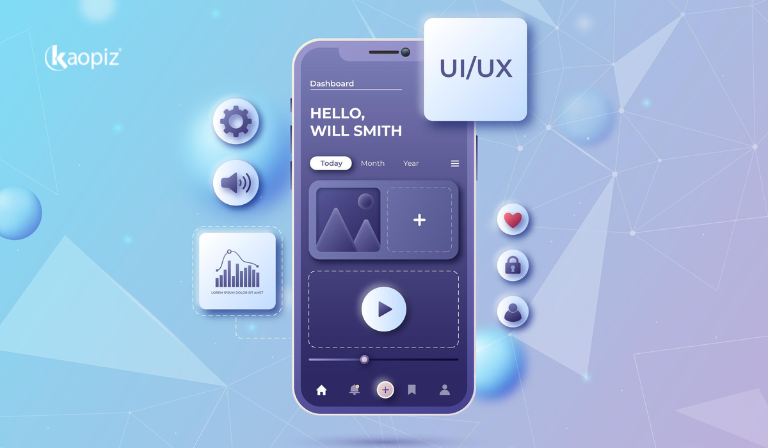
Web-based experiences, while slightly less immersive, excel in simplicity and convenience. They are particularly effective for first-time users who prefer quick access without committing to a download.
Offline Functionality & Device Integration
One key advantage of mobile solutions lies in their ability to function without constant internet access. This makes them ideal for use cases that require offline functionality or uninterrupted access in low-connectivity environments.
Additionally, they can integrate deeply with device features such as GPS, camera, and push notifications. Browser-based platforms, although improving in this area, still have limitations when it comes to full hardware integration.
Maintenance & Updates
Maintaining a digital product over time requires continuous updates and improvements. Web platforms simplify this process by allowing changes to be deployed instantly without requiring user action.
In contrast, mobile applications depend on users to download updates through app stores, which can slow down the adoption of new features. However, they offer more control over versioning and can deliver more stable, refined experiences over time.
When to Choose Web App vs Mobile App: A Decision Framework
Choosing between a web app vs mobile app is not just a technical comparison but a strategic decision that directly impacts user acquisition, business scalability, and long-term growth. Instead of focusing only on the difference between mobile app and web app, companies should evaluate their goals, user behavior, and available resources.
In reality, there is no one-size-fits-all answer to web app vs mobile app which is better. The right choice depends on how quickly you need to launch, the level of performance required, and how users are expected to interact with your product over time. Understanding these factors will help businesses make smarter, more sustainable decisions.
Web App for Speed & Cost Efficiency
For businesses looking to validate ideas quickly, web-based solutions offer a clear advantage. Web-based platforms provide flexibility in the early stages, especially when businesses are still refining their product and target audience through scalable web-based platforms.
Another key benefit lies in cross-platform accessibility. Users can access the product instantly through a browser, eliminating barriers such as installation or device compatibility. This is especially useful when the goal is to maximize reach and attract first-time users with minimal friction.

From a financial perspective, development and maintenance costs are generally lower. A single codebase reduces complexity, making it easier to manage updates and iterate based on user feedback. For businesses prioritizing cost efficiency and rapid deployment, this approach provides a strong foundation before scaling further.
Mobile App for Performance & Engagement
When user experience becomes the top priority, mobile applications often provide a more powerful solution. Mobile environments also enable stronger user engagement through personalized experiences powered by mobile app development services.
Mobile environments also support deeper personalization and consistent engagement. Features such as push notifications and seamless navigation help businesses maintain ongoing interaction, which is essential for building customer retention and loyalty over time.
This approach is especially relevant for products that rely on frequent usage or real-time interaction, such as fintech services, social platforms, or on-demand applications. While the initial investment may be higher, the long-term benefits in terms of engagement and user lifetime value can outweigh the costs.
The Smart Strategy: Web First, Mobile Later?
For many businesses, the most effective strategy is not choosing one over the other but combining both in a phased approach. For companies aiming to launch quickly, mobile app development services enable web-based platforms to provide a strong advantage in terms of speed and flexibility.
Once traction is achieved, expanding into mobile can enhance overall experience and strengthen engagement. This approach ensures that investment decisions are backed by real data rather than assumptions, reducing the likelihood of costly mistakes.
A phased strategy also aligns well with modern digital ecosystems, where users interact across multiple devices. By first establishing a strong foundation and then expanding capabilities, businesses can create a more cohesive and scalable product.
Ultimately, the decision should reflect your long-term vision. Whether you prioritize accessibility, performance, or engagement, understanding the web vs app development landscape will help you choose the right path. Companies that adopt a flexible and data-driven approach are better positioned to adapt, compete, and grow in an increasing digital world.
Cost vs ROI: The Hidden Economics of Web App vs Mobile App
This comparison highlights that the web app vs mobile app difference is not just about cost, but about how each platform contributes to long-term business value. While web solutions optimize for speed and accessibility, mobile platforms often deliver stronger returns through deeper engagement and sustained user relationships.
| Factor | Web App | Mobile App |
|---|---|---|
| Initial Development Cost | Lower due to a single codebase and simpler deployment process | Higher because of separate development for iOS and Android |
| Time to Market | Faster launch, ideal for testing ideas and early-stage growth | Slower due to platform-specific development and approval processes |
| Maintenance Cost | More cost-efficient with centralized updates and easier scalability | Higher due to ongoing updates, platform compatibility, and store requirements |
| User Acquisition Cost | Lower as users can access instantly via browser without installation | Higher due to app store dependency and download friction |
| User Engagement | Moderate, suitable for casual or first-time interactions | Higher due to personalized experience and push notifications |
| Retention Rate | Typically lower as users may not return frequently | Stronger retention driven by habitual usage and direct access |
| Performance ROI | Efficient for simple platforms and broad reach strategies | Higher ROI for complex systems requiring speed and responsiveness |
| Scalability | Easier to scale across devices and markets quickly | Scalable but requires more resources and long-term investment |
| Monetization Potential | Limited in some cases, depending on user behavior | Stronger through subscriptions, in-app purchases, and loyalty features |
| Long-Term ROI | High when focused on reach, validation, and cost efficiency | High when focused on engagement, retention, and user lifetime value |
Common Mistakes When Choosing Between Web App vs Mobile App
Many businesses approach the web app vs mobile app decision with a strong focus on features or trends, rather than taking a structured, data-driven approach. This often leads to mismatched solutions that fail to deliver expected results, especially when user behavior and long-term scalability are not fully considered.
Instead of evaluating the full web app vs mobile app difference, companies may rush into development without validating assumptions or aligning with their overall digital strategy. As a result, they face higher costs, slower growth, and lower user adoption than anticipated.
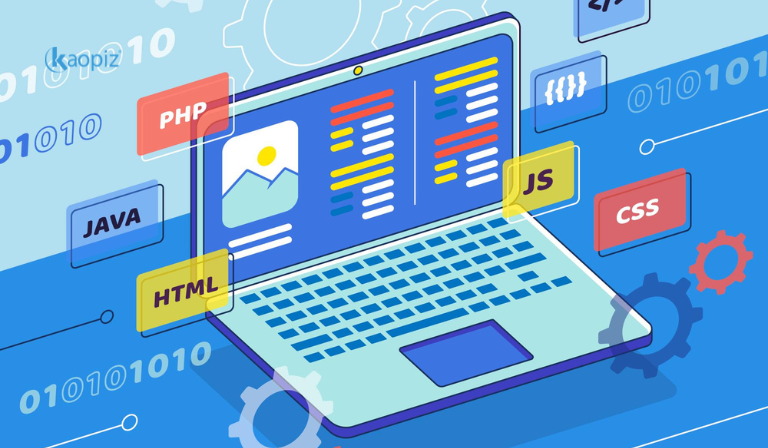
To avoid these pitfalls, businesses should be aware of the most common mistakes when deciding between platforms:
- Focusing too much on trends instead of aligning the platform choice with business goals and actual user needs
- Assuming one solution fits all without understanding the real difference between mobile app and web app in specific use cases
- Prioritizing features over user experience, leading to complex products that fail to retain users
- Ignoring user behavior data, especially how target audiences interact across devices and platforms
- Underestimating total cost by only considering initial development instead of long-term maintenance and scalability
- Choosing mobile too early without validating product-market fit, resulting in wasted resources
- Overlooking time to market, which can delay opportunities in fast-moving industries
- Failing to plan for future expansion, making it harder to scale from web to mobile or vice versa
- Neglecting integration with existing digital ecosystems, causing inefficiencies in operations
- Not considering performance requirements, especially for solutions that rely on real-time interaction or complex processing
By recognizing these common issues early, businesses can make more informed decisions and choose the right direction based on their actual needs rather than assumptions.
Why Choose Kaopiz for Your Web App vs Mobile App Development in Singapore?
As businesses in Singapore accelerate digital transformation, many are seeking reliable technology partners to navigate the complexities of web app vs mobile app development. Choosing the right partner is essential not only to build a functional product but also to ensure alignment with business goals, user behavior, and long-term scalability. Kaopiz is a trusted software development company with extensive experience supporting global clients in building high-quality digital platforms tailored to diverse business needs.
With a team of 1000+ engineers and experience delivering over 1000+ projects for 500+ clients worldwide, Kaopiz helps businesses design and develop solutions that balance performance, cost efficiency, and user experience. Our expertise spans across modern technologies such as cloud computing, AI integration, and scalable system architecture, enabling organizations to make the right decision when evaluating the difference between web app and mobile app.
Why Choose Us
Kaopiz acts as a strategic partner, supporting businesses throughout the entire product lifecycle from ideation to deployment and optimization. Our team focuses on understanding your specific requirements before recommending the most effective approach, whether it is a flexible web-based platform or a high-performance mobile solution.

Kaopiz supports companies in Singapore with solutions such as:
- AI-powered and cloud-based web platforms designed for fast deployment and cross-platform accessibility
- High-performance mobile applications optimized for user engagement and seamless experience
- Scalable system architecture that supports long-term growth and business expansion
- Custom enterprise solutions tailored to complex operational needs across industries
By combining strong engineering capabilities with a deep understanding of the web vs app development landscape, Kaopiz enables businesses to build the right solution from the start. This approach helps reduce unnecessary costs, improve time to market, and create sustainable digital products that can scale effectively in a competitive environment.
If you are evaluating the Web App vs Mobile App approach and need a scalable, cost-efficient starting point, building a web-based platform can be a strategic first step. With the right partner, you can launch faster, validate your product, and expand seamlessly as your business grows.
Our Case Studies
To better understand how the Web App vs Mobile App decision translates into real-world outcomes, it is helpful to look at practical implementations. The following case studies demonstrate how we have chosen the right approach based on our customers’ specific needs, achieving improvements in efficiency, user experience, and overall performance.
School Supply Ordering System
Background: The client operates in the education sector, providing essential materials to schools. As the business expanded, the need for a more efficient and scalable system became critical to support growing demand and streamline operations.
Challenge: The client faced difficulties in managing orders across multiple schools using fragmented processes. The lack of a centralized platform led to inefficiencies, limited visibility, and delays in order processing, affecting overall service quality.
Solution: A centralized ordering system was developed to digitize and unify the entire workflow. The platform enabled schools to place and track orders, while administrators could manage inventory, monitor requests, and coordinate fulfillment through a single interface. The solution was designed with a user-friendly experience and scalable architecture to support future growth.
Result: The new system significantly improved operational efficiency by reducing manual processes and enhancing order accuracy. It provided real-time visibility into supply management, shortened processing time, and created a more seamless experience for both the client and their customers.
Dance Class Management Mobile App
Background: A leading education service provider sought to modernize its operations by digitizing dance class management. With a growing international presence, the client needed a solution to improve accessibility and streamline interactions between learners and staff.
Challenge: The existing system relied heavily on manual processes, making it difficult to manage class schedules, registrations, and attendance efficiently. This led to fragmented data, limited real-time visibility, and increased administrative workload, especially as the organization expanded across multiple regions.
Solution: A mobile-first application was developed for both Android and iOS to centralize all operations into a single platform. The solution enabled learners to register for classes, track schedules, and receive real-time notifications, while staff could manage users, courses, and attendance seamlessly. Advanced features such as bulk data import and real-time updates were integrated to enhance operational efficiency and ensure smooth data management.
Result: The application significantly improved user experience and operational efficiency by automating key processes and reducing manual workload. It enhanced real-time communication, streamlined class management, and provided better data visibility, enabling the client to scale operations more effectively while delivering a more engaging and convenient experience for users.
Conclusion
Choosing between a web app vs mobile app ultimately depends on your business goals, target users, and long-term growth strategy. While web platforms offer advantages in accessibility, cost efficiency, and faster deployment, mobile applications stand out in delivering high performance, deeper engagement, and more personalized user experiences.
Rather than viewing this as a strict either-or decision, many successful businesses adopt a flexible approach. Starting with a web-based solution allows for rapid validation and broader reach, while expanding into mobile later helps strengthen user retention and enhance overall product value.
Understanding the difference between web app and mobile app is essential to making informed decisions that align with both short-term priorities and future scalability. By focusing on real user needs and leveraging the right development strategy, businesses can build digital solutions that are not only effective today but also ready to evolve in an increasingly competitive digital landscape.
FAQs
- What Is the Main Difference Between a Web App vs Mobile App?
- The core difference between mobile app and web app lies in accessibility and capability. Web apps are accessed via browsers and offer broad reach across devices, while mobile apps are installed on smartphones and provide superior performance, deeper system integration, and more advanced user experiences.
- Web App vs Mobile App Which Is Better for Mid-sized and Large Enterprises?
- For mid-sized and large enterprises, the answer depends on business objectives and operational complexity. Web platforms are often preferred for internal systems, dashboards, and enterprise tools due to their scalability and ease of deployment. Mobile apps, however, are more effective for customer-facing solutions that require high engagement and frequent interaction.
- When Should Enterprises Prioritize Mobile App Development?
- Enterprises should prioritize mobile solutions when their services rely on real-time interaction, personalized user journeys, or features like push notifications and device integration. This is common in industries such as fintech, logistics, and e-commerce where user engagement directly impacts revenue.
- Is It Better for Enterprises to Combine Both Web and Mobile Platforms?
- Yes, many enterprises adopt a multi-platform strategy. Web apps are used for accessibility and operational management, while mobile apps enhance customer experience and retention. This combination creates a more connected and scalable digital ecosystem.
- How do cost and ROI differ in enterprise-level web vs app development?
- At the enterprise level, web platforms typically offer lower initial costs and faster deployment for large-scale systems. Mobile apps require higher investment but often generate stronger long-term ROI through improved engagement, loyalty, and monetization opportunities.
Trending Post



No Comments yet!