














Agile Framework: Definition, Examples, and How to Choose the Right One
Agile is widely adopted in software development, but many teams still fail to see real results. The issue is often not Agile itself—it’s choosing the wrong Agile framework or applying it without the right context.
In Singapore’s fast-paced and cost-sensitive tech environment, selecting the right Agile framework can directly impact delivery speed, product quality, and ROI. Different teams, project types, and organizational sizes require different approaches.
This article explains what an Agile framework is, highlights the most popular Agile frameworks used in Singapore, and provides practical guidance on how to choose the right one for your business—whether you’re building a product, managing outsourced development, or scaling Agile across teams.
Table of Contents
- What Is an Agile Framework?
- Top 5 Agile Frameworks Dominating the Singapore Tech Landscape
- Agile Framework Comparison: Which One Fits Your Team?
- Common Mistakes When Adopting Agile Frameworks
- How to Choose the Right Agile Framework for Your Business
- How Kaopiz Supports Agile Software Development
- Conclusion
- FAQs
What Is an Agile Framework?
An Agile framework is a structured set of roles, processes, practices, and rules designed to help teams apply Agile principles in a consistent and practical way. While Agile itself is a mindset focused on flexibility, collaboration, and continuous improvement, an Agile framework provides the operational structure needed to turn those principles into day-to-day execution.
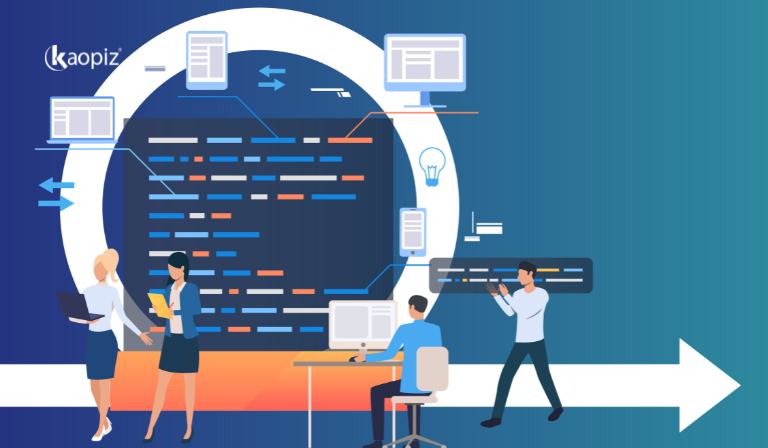
In software development, Agile frameworks help teams manage uncertainty, respond to changing requirements, and deliver value incrementally. Instead of relying on rigid, long-term plans, teams work in short cycles, gather frequent feedback, and continuously refine both the product and the way they work.
Singapore’s technology ecosystem is shaped by fast innovation cycles, high operational costs, and a strong presence of multinational enterprises. As a result, Agile adoption in Singapore tends to focus on speed, predictability, and cost efficiency. The following Agile frameworks are the most commonly used across startups, SMEs, and large enterprises in the local tech landscape.
Top 5 Agile Frameworks Dominating the Singapore Tech Landscape
Singapore’s technology ecosystem is shaped by fast innovation cycles, high operational costs, and a strong presence of multinational enterprises. As a result, Agile adoption in Singapore tends to focus on speed, predictability, and cost efficiency. The following Agile frameworks are the most commonly used across startups, SMEs, and large enterprises in the local tech landscape.
Scrum: The Gold Standard for Product Development
Scrum is the most widely adopted Agile framework in Singapore, particularly among product-driven companies and innovation teams. It is built around short development cycles called sprints, typically lasting two to four weeks, with clearly defined roles such as Product Owner, Scrum Master, and Development Team.
Scrum is well suited for projects that require rapid iteration, frequent feedback, and evolving requirements—common characteristics of digital products, fintech platforms, and SaaS solutions. In Singapore’s competitive market, Scrum helps teams deliver usable features quickly while maintaining alignment with business priorities.
Best suited for:
- Product development projects
- Startups and innovation teams
- Projects with changing requirements
Kanban: Visualizing Flow for Continuous Delivery
Kanban focuses on visualizing work and optimizing flow rather than working in fixed time-boxed iterations. Teams use Kanban boards to track tasks, limit work in progress, and identify bottlenecks in real time.

In Singapore, Kanban is frequently adopted by maintenance, operations, and DevOps teams, where work arrives continuously rather than in planned batches. It is also popular in organizations that need to improve delivery efficiency without disrupting existing processes.
Best suited for:
- Maintenance and support teams
- Operational and DevOps environments
- Teams seeking incremental process improvement
Lean: Eliminating Waste to Maximize Value
Lean Agile principles emphasize eliminating waste, optimizing processes, and maximizing customer value. In Singapore’s high-cost business environment, Lean resonates strongly with organizations looking to improve efficiency and control development expenses.
Rather than introducing heavy processes, Lean encourages teams to focus on what truly delivers value, reduce unnecessary handoffs, and shorten delivery cycles. It is often applied alongside other Agile frameworks to drive continuous improvement and cost optimization.
Best suited for:
- Cost-sensitive projects
- Organizations focused on operational efficiency
- Continuous improvement initiatives
Extreme Programming (XP): Engineering Excellence and Rapid Feedback
Extreme Programming (XP) is an Agile framework that places strong emphasis on technical excellence and software quality. Practices such as test-driven development (TDD), continuous integration, pair programming, and frequent releases are central to XP.
XP is typically adopted by technically mature teams in Singapore that work on complex systems where code quality, performance, and reliability are critical. While XP requires high discipline and skill, it can significantly reduce defects and long-term maintenance costs.
Best suited for:
- Technically experienced teams
- Complex or high-risk software projects
- Environments requiring high code quality
Scaled Agile Framework (SAFe): Agile at Enterprise Scale
The Scaled Agile Framework (SAFe) is designed for large organizations managing multiple Agile teams. It provides structure for aligning development, business strategy, and governance across complex enterprise environments.
In Singapore, SAFe is commonly used by large enterprises, banks, fintech companies, and multinational corporations, particularly those headquartered in the CBD. While SAFe enables Agile at scale, it also requires strong leadership commitment and organizational readiness to be effective.
Best suited for:
- Large enterprises and MNCs
- Complex, multi-team programs
- Organizations undergoing large-scale Agile transformation
Agile Framework Comparison: Which One Fits Your Team?
Choosing an Agile framework is not about following trends—it’s about finding the structure that best supports your team size, delivery model, and project goals. A framework that works well for a small product team may fail in a large enterprise environment, while the wrong choice for an outsourced or distributed team can lead to misalignment and delivery delays.
Below is a practical comparison to help you evaluate which Agile framework fits your team and project context.
| Context | Recommended Frameworks |
|---|---|
| Small, cross-functional teams | Scrum, Kanban |
| Distributed or offshore teams | Kanban, adapted Scrum |
| Large enterprises | SAFe |
| Product development | Scrum, XP |
| Outsourcing projects | Scrum, Kanban |
| Legacy modernization | Lean, Kanban |
Choosing an Agile Framework by Team Size
- Small teams (5–10 people)
Small, cross-functional teams benefit most from lightweight software frameworks that encourage fast feedback and minimal overhead. Scrum is often the preferred choice because its sprint structure, clear roles, and regular reviews help small teams stay focused and adaptable. Kanban is also effective when work is continuous rather than feature-based.
- Distributed or offshore teams
For teams working across locations or time zones, visibility and process clarity are critical. Scrum can work well when ceremonies are well facilitated and communication is disciplined, but it often needs adaptation. Kanban is frequently favored for distributed teams because it provides real-time visibility into work progress and reduces dependency on synchronous meetings.
- Enterprise environments
Large organizations with multiple teams require frameworks that support coordination and alignment at scale. SAFe and other scaled Agile frameworks are designed for this purpose, providing governance structures and alignment between business strategy and execution. However, they require organizational readiness and strong leadership commitment to be effective.
Choosing an Agile Framework by Project Type
- Product development
Projects involving new product development or evolving customer requirements benefit from iterative feedback and frequent releases. Scrum and XP are well suited here, enabling teams to validate assumptions early, improve quality, and adapt quickly to change.

- Outsourcing projects
In outsourced or offshore development, predictability and transparency are key concerns. Scrum works well when responsibilities and communication channels are clearly defined, while Kanban is often used for long-term delivery and support models. In these contexts, frameworks must be adapted to balance flexibility with delivery commitments.
- Legacy system modernization
Modernizing legacy systems often involves complex dependencies and risk. Lean principles help teams reduce waste and focus on high-value improvements, while Kanban supports gradual, low-risk changes. These frameworks allow organizations to modernize systems without disrupting ongoing operations.
Common Mistakes When Adopting Agile Frameworks
Adopting an Agile framework can significantly improve delivery speed and collaboration—but only when it’s implemented with the right mindset. Many organizations struggle not because Agile “doesn’t work,” but because common mistakes undermine its effectiveness from the start. Understanding these pitfalls can help teams avoid costly missteps and set more realistic expectations.
Choosing a Framework Without Understanding Context
One of the most common mistakes is selecting an Agile framework based on popularity rather than suitability. Teams often adopt Scrum, SAFe, or Kanban because peers or competitors are using them—without fully considering their own team structure, project complexity, or delivery model.
For example, a framework designed for large enterprises may add unnecessary overhead to a small team, while lightweight approaches may fail to provide enough coordination for complex, multi-team programs. Agile frameworks are tools, not guarantees of success. Without aligning the framework to business goals, team size, and stakeholder expectations, organizations risk adding process without gaining real agility.
Following the Framework Too Rigidly
Another frequent issue is treating Agile frameworks as fixed rulebooks rather than adaptable guidelines. Teams may focus on “doing Agile right” instead of delivering value—running ceremonies mechanically, tracking metrics without purpose, or enforcing roles that don’t fit their reality.
This rigid approach can lead to frustration, reduced ownership, and slower decision-making. Agile was designed to promote flexibility and continuous improvement, not process compliance. Successful teams regularly inspect and adapt their ways of working, tailoring practices to what actually improves collaboration, quality, and delivery outcomes.
Ignoring Team Culture and Maturity
Agile adoption is as much a cultural shift as it is a process change. Ignoring team maturity, communication habits, or leadership style can severely limit the impact of any framework. Teams new to Agile may struggle with self-organization, while teams with limited trust or high dependency on approvals may find Agile practices difficult to sustain.

Without investing in coaching, alignment, and gradual change, organizations may label Agile as “ineffective” when the real issue is readiness. Frameworks succeed when teams are supported in developing the skills and mindset required to use them effectively.
How to Choose the Right Agile Framework for Your Business
Choosing the right Agile framework is less about following trends and more about aligning ways of working with your business reality. With multiple frameworks available—each designed for different contexts—decision-makers need a structured approach to evaluate what truly fits their teams, projects, and long-term goals. Below are key considerations to help guide that decision.
Key Factors to Consider
- Team experience: Team maturity matters. New Agile teams often need structured frameworks with clear roles, while experienced teams usually perform better with lightweight, flexible approaches.
- Business goals: The framework should support your priorities. If speed and experimentation matter most, choose one with fast feedback loops. If predictability or governance is key, stronger planning and alignment frameworks fit better.
- Project complexity: Simple projects don’t need heavy processes. As complexity grows—more stakeholders, uncertainty, or long roadmaps—additional coordination structures become necessary.
- Collaboration model (in-house vs offshore): In-house teams can work with minimal process. Distributed or offshore teams typically need clearer workflows, documentation, and communication routines to stay aligned.
When You Need Expert Support
- Agile transformation: When moving from traditional models to Agile, expert support helps assess readiness, define a clear roadmap, and avoid common adoption mistakes—especially when leadership and governance must change.
- Scaling Agile: Expanding Agile across multiple teams adds complexity. Specialists: can help tailor scaling frameworks, align teams, and keep processes lightweight and effective.
- Distributed team delivery: Global or offshore Agile delivery requires strong coordination and tooling. Experienced partners help maintain alignment, quality, and transparency across locations.
By considering these areas carefully, businesses can move beyond trial-and-error Agile adoption and build a foundation for sustainable, scalable delivery—with expert guidance when deeper support is needed.
How Kaopiz Supports Agile Software Development
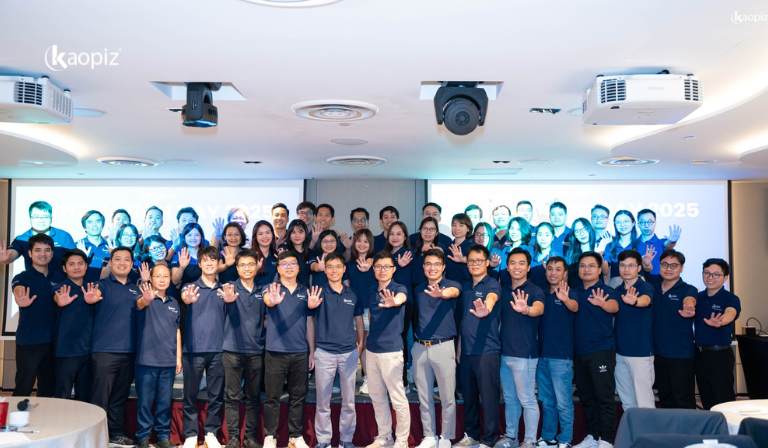
At Kaopiz, Agile is not treated as a one-size-fits-all framework, but as a practical delivery approach tailored to each client’s context. With 11+ years of experience, 1,000+ professionals, and 1,000+ projects delivered for 500+ clients worldwide, Kaopiz helps businesses build and scale software efficiently using Agile principles that actually work in real environments.
Experience with Agile Software Development
Kaopiz has supported Agile initiatives across startups, mid-sized companies, and enterprises. Our teams have hands-on experience applying frameworks such as Scrum, Kanban, and scaled Agile models—while knowing when to adapt them. This practical mindset ensures Agile practices support delivery speed, product quality, and long-term sustainability rather than adding process overhead.
Expertise in Distributed and Offshore Agile Teams
With a strong offshore delivery model, Kaopiz specializes in Agile collaboration across geographies and time zones. We help clients establish clear workflows, communication cadences, and performance visibility—enabling in-house and offshore teams to operate as one aligned Agile unit without sacrificing control or transparency.
Focus on Outcomes, Not Just Frameworks
Kaopiz focuses on outcomes such as faster time to market, predictable delivery, and continuous improvement. Instead of rigidly following frameworks, we align Agile practices with business objectives, technical realities, and team maturity—ensuring Agile delivers measurable value, not just ceremonies.
If you’re assessing Agile adoption or looking to improve delivery performance, talk to our Agile delivery experts to explore the best approach for your organization.
Conclusion
Agile frameworks provide structure for turning Agile principles into real, repeatable delivery—but no single framework fits every organization. The right choice depends on your team’s experience, business goals, project complexity, and collaboration model. When applied thoughtfully, Agile frameworks help teams deliver value faster, improve quality, and adapt more effectively to change.
Success with Agile is not about strict adherence to a framework, but about continuous learning and adjustment. Organizations that focus on context, culture, and outcomes are far more likely to see long-term benefits from Agile adoption.
FAQs
- What Is the Most Commonly Used Agile Framework?
- Scrum is the most widely used Agile framework. It’s popular because of its clear roles, ceremonies, and sprint-based structure, making it accessible for teams new to Agile and adaptable for many project types.
- Is Scrum the Same as Agile?
- No. Agile is a mindset and set of principles, while Scrum is one specific framework used to apply Agile in practice. Other frameworks, such as Kanban or XP, also follow Agile principles but work differently.
- Can Agile Frameworks Work for Offshore Teams?
- Yes. Agile frameworks can work well for offshore and distributed teams when supported by clear workflows, strong communication practices, and the right collaboration tools. Many organizations successfully run Agile with global delivery teams.
- How Long Does It Take to Adopt an Agile Framework?
- Initial adoption typically takes 1–3 months, depending on team size, experience, and organizational readiness. Achieving full maturity and consistent performance often takes longer through continuous improvement.
- Do You Need an Agile Coach or Consultant to Get Started?
- Not always. Small or experienced teams may adopt Agile independently, but expert support is valuable for Agile transformations, scaling across teams, or managing distributed delivery models.
Trending Post




No Comments yet!