















How AI in Construction Helps Singapore Firms Reduce Costs by 20%
Artificial intelligence (AI) is rapidly transforming the construction industry as companies seek smarter ways to improve safety, efficiency, and cost control. Technologies such as computer vision, machine learning, and predictive analytics are enabling construction firms to monitor job sites in real time, optimize project schedules, and make more data-driven decisions.
Driven by challenges such as rising costs and labor shortages, many companies are adopting AI solutions to streamline operations and reduce risks. In fact, AI-powered tools can help reduce construction costs by up to 20% while improving project performance.
In this article, we explore nine practical applications of AI in construction industry, key benefits along with real-world case studies showing how companies are successfully implementing these technologies.
Key Takeaways:
- AI can help construction companies reduce project costs by up to 20% through improved planning and resource optimization.
- Technologies such as computer vision, machine learning, and predictive analytics are enabling smarter construction management.
- AI-powered tools improve site safety, project scheduling, quality inspection, and document management.
- Real-world case studies demonstrate how AI solutions are already improving efficiency across construction projects.
- Companies that adopt AI early will gain a competitive advantage as the construction industry becomes more data-driven and automated.
Table of Contents
- What Is AI in Construction?
- AI in Construction Market in 2026
- Core Technologies Used in AI Construction
- 9 Practical Applications of AI in Construction for Singapore Businesses
- Key Benefits: Why Singaporean Firms Are Investing Millions in AI
- 3 Case Studies: Successful AI Integration in Real Construction Projects
- Implementation Challenges & How to Overcome Them
- How Singapore Companies Are Implementing AI in Construction
- Kaopiz: Your Trusted Partner for AI Construction Solutions in Singapore
- The Future of AI in Construction (2026 – 2030)
- Conclusion
- FAQs
What Is AI in Construction?
AI in construction refers to the use of technologies such as machine learning, computer vision, and predictive analytics to improve how projects are planned, monitored, and managed. By analyzing large volumes of project data, AI helps companies identify risks, optimize schedules, and make more informed decisions throughout the project lifecycle.
Unlike traditional construction processes that rely heavily on manual monitoring and experience-based decisions, AI systems can automatically detect patterns in data and predict potential issues such as delays, safety risks, or equipment failures. This allows project teams to respond faster and improve overall efficiency.
AI in Construction Market in 2026
The adoption of artificial intelligence in building construction is accelerating rapidly as companies seek solutions to improve productivity, reduce risks, and manage increasingly complex projects. As a result, the global AI in construction market is experiencing strong growth, driven by advances in data analytics, automation, and smart technologies.
According to Mordor Intelligence, the AI in construction market is estimated to reach USD 12.94 billion in 2026, growing from USD 11.1 billion in 2025. The market is projected to expand further to USD 27.92 billion by 2031, representing a CAGR of 16.62% between 2026 and 2031. This growth reflects increasing investments in technologies such as computer vision, predictive analytics, and AI-powered project management tools across the construction sector.
This rapid market growth is fueled by several factors, including:
- AI-powered construction site monitoring systems that track progress and detect safety risks in real time
- Predictive safety analytics that help prevent workplace accidents before they occur
- Automated project scheduling tools that analyze historical data to optimize timelines and resource allocation
- Smart construction equipment and robotics that improve operational efficiency and reduce manual labor
Core Technologies Used in AI Construction
AI in construction relies on several advanced technologies that help companies analyze project data, automate processes, and improve project management. These construction technologies enable firms to monitor sites more effectively, predict risks, and optimize project performance.
Key technologies powering AI in building construction include:
- Machine Learning: Analyzes historical project data to predict delays, improve cost estimation, and optimize schedules.
- Computer Vision: Uses cameras, drones, and AI algorithms to monitor construction sites, detect safety risks, and track project progress in real time.
- Predictive Analytics: Forecasts potential issues such as equipment failures, safety incidents, or project delays based on existing data.
- IoT Sensors: Collect real-time data from construction equipment, materials, and site environments to support AI-driven monitoring and decision-making.
- Robotics and Automation: Enables autonomous machines and smart equipment to perform repetitive or hazardous tasks, improving productivity and safety on construction sites.
Together, these technologies allow construction companies to transform traditional workflows into data-driven, intelligent management systems.
9 Practical Applications of AI in Construction for Singapore Businesses
AI is transforming the construction industry by introducing smarter, data-driven ways to manage projects and operations. From improving safety monitoring to optimizing scheduling and cost estimation, AI technologies are being applied across multiple stages of the lifecycle to increase efficiency and reduce risks. Here is the top 9 AI in construction use cases for Singapore firms:
| AI Application | Description |
|---|---|
| AI-Powered Site Monitoring | Uses cameras and computer vision to monitor construction sites in real time. |
| Predictive Safety Analytics | Analyzes data to predict potential safety risks before accidents occur. |
| Automated Project Scheduling | Uses AI to optimize project timelines and resource planning. |
| Cost Estimation & Budgeting | Analyzes historical data to improve cost prediction and budget planning. |
| Equipment Maintenance Prediction | Predicts machinery failures using sensor data and AI models. |
| AI-Powered Quality Inspection | Detects construction defects using computer vision technology. |
| AI Document Automation | Automates processing of contracts, RFIs, and project documents. |
| Smart Resource Allocation | Optimizes the use of labor, materials, and equipment. |
| AI-Powered Design Optimization | Uses AI to generate efficient and sustainable design alternatives. |
AI-powered Construction Site Monitoring
AI construction site monitoring uses computer vision, cameras, and drones to track activities in real time. By analyzing video footage and images, AI systems can automatically detect safety risks, monitor worker activity, and track project progress without requiring constant manual supervision.
These systems can identify hazards such as workers entering restricted zones or missing protective equipment and instantly alert project managers. In addition to improving safety, AI-powered monitoring also provides better visibility into site operations by comparing real-time images with project plans or BIM models, helping teams detect delays early and keep projects on schedule.
Predictive Safety Analytics
Predictive safety analytics uses AI and machine learning in construction to analyze historical project data, site conditions, and worker behavior to identify potential safety risks before accidents occur. By processing large volumes of data from sources such as safety reports, equipment sensors, and environmental conditions, AI models can detect patterns that indicate higher risk situations on sites.
With these insights, project managers can take proactive measures to prevent incidents, such as adjusting work schedules, reinforcing safety protocols, or reallocating resources. By shifting from reactive safety management to a more data-driven and preventive approach, predictive safety analytics helps companies improve site safety while reducing costly disruptions and project delays.
Automated Project Scheduling
Automated project scheduling uses AI and machine learning to analyze historical project data, resource availability, and timelines to create more accurate and efficient schedules. By processing large volumes of information, AI systems can identify potential bottlenecks, optimize task sequences, and recommend adjustments that help teams better allocate labor, materials, and equipment.
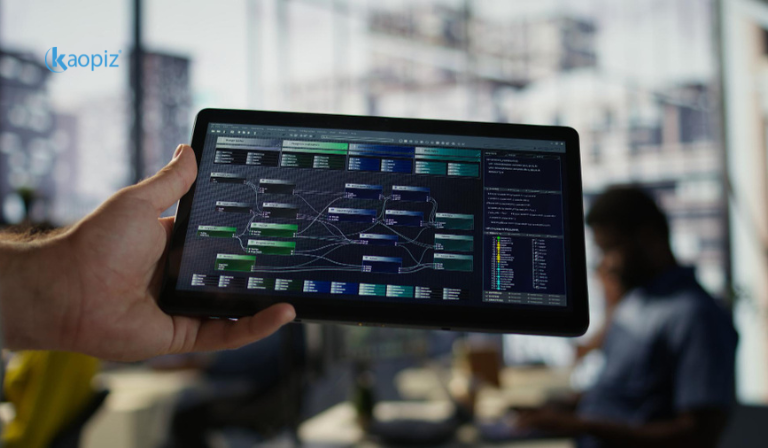
These AI-driven scheduling tools can also predict delays caused by factors such as weather conditions, supply chain disruptions, or resource conflicts. With more accurate forecasting and dynamic scheduling updates, construction companies can reduce project delays, improve coordination among teams, and keep complex projects on track.
Cost Estimation and Budgeting
AI-powered cost estimation and budgeting tools help construction companies in Singapore create more accurate project budgets by analyzing large amounts of historical project data. Using machine learning models, AI systems can evaluate factors such as material costs, labor requirements, project scope, and market conditions to generate more reliable cost predictions.
By identifying potential cost overruns early, AI enables project managers to adjust budgets, optimize resource allocation, and improve financial planning. This data-driven approach reduces reliance on manual calculations and experience-based estimates, helping firms maintain better cost control and minimize financial risks throughout the project lifecycle.
Equipment Maintenance Prediction
AI-powered equipment maintenance prediction uses machine learning and sensor data to monitor the condition and performance of construction machinery. By analyzing data from equipment usage, operating conditions, and historical maintenance records, AI systems can detect early signs of potential failures before they occur.
This predictive approach allows construction companies to schedule maintenance proactively rather than reacting to unexpected breakdowns. As a result, firms can reduce equipment downtime, extend machinery lifespan, and keep construction projects running smoothly without costly disruptions.
AI-powered Quality Inspection
AI-powered quality inspection uses computer vision and image analysis to automatically detect defects and identify structural issues during construction. By analyzing images and video captured from cameras or drones, AI systems can inspect surfaces, materials, and structural elements with a high level of precision.

These systems can identify problems such as cracks, misalignments, or construction defects that may be difficult to detect through manual inspections. In many cases, AI-powered inspection tools can achieve up to 97% accuracy in real-time defect detection, helping teams improve quality control while reducing the time and cost required for traditional inspection processes.
AI Document Automation
AI document automation helps construction companies manage large volumes of project documents more efficiently. Using NLP and machine learning, AI systems can automatically analyze, categorize, and extract information from documents such as contracts, RFIs (Requests for Information), invoices, and project reports.
By automating document processing, AI reduces the time spent on manual administrative tasks and minimizes the risk of human error. Project teams can quickly search, review, and retrieve important information, improving communication between stakeholders and ensuring that critical project documentation is handled more accurately and efficiently.
Smart Resource Allocation
Smart resource allocation uses AI and data analytics to optimize how labor, equipment, and materials are distributed across projects. By analyzing project schedules, workforce availability, and equipment usage data, AI systems can recommend the most efficient way to allocate resources and avoid bottlenecks on site.
This helps project managers ensure that the right resources are available at the right time, reducing idle time and improving overall productivity. With better resource planning, construction companies can minimize delays, control operational costs, and maintain smoother project workflows.
AI-powered Design Optimization
AI design optimization uses generative design and machine learning to analyze multiple design possibilities and identify the most efficient solutions for construction projects. By processing factors such as material usage, structural performance, environmental conditions, and project constraints, AI can generate optimized design options that improve both functionality and cost efficiency.
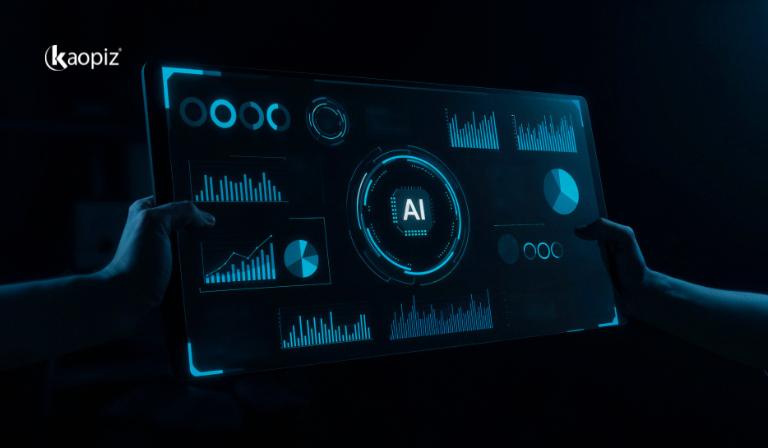
This approach helps architects and engineers evaluate thousands of design alternatives in a short time, allowing them to select solutions that reduce material waste, improve structural performance, and enhance sustainability. As a result, AI-powered design optimization supports smarter planning and enables construction teams to deliver more efficient and innovative building designs.
Key Benefits: Why Singaporean Firms Are Investing Millions in AI
As construction projects become more complex and labor shortages persist, many construction companies in Singapore are investing heavily in AI technologies to improve efficiency and competitiveness. By leveraging AI-driven tools, firms can reduce costs, enhance safety, accelerate project timelines, and make more informed decisions across their operations.
Reduced Construction Costs by Up to 20%
One of the key benefits of AI in construction is its ability to reduce overall project costs through improved planning, resource optimization, and early risk detection. By analyzing historical project data, labor productivity, and material prices, AI systems can generate more accurate cost estimates and identify potential budget overruns before they occur.
Research from McKinsey shows that AI and advanced analytics can reduce construction project costs by 10–15% while improving schedule accuracy by up to 30%. Some industry estimates suggest that AI-driven optimization could lower total construction costs by as much as 20% by improving scheduling, minimizing material waste, and preventing costly rework.
Improved Safety by Up to 30%
Safety is a major concern in the construction industry, which consistently ranks among the most hazardous sectors worldwide. AI technologies such as computer vision, predictive analytics, and real-time monitoring systems help construction companies identify risks earlier and enforce safety compliance more effectively. By analyzing video feeds, worker behavior, and environmental conditions, AI systems can automatically detect hazards such as missing protective equipment or workers entering restricted areas.
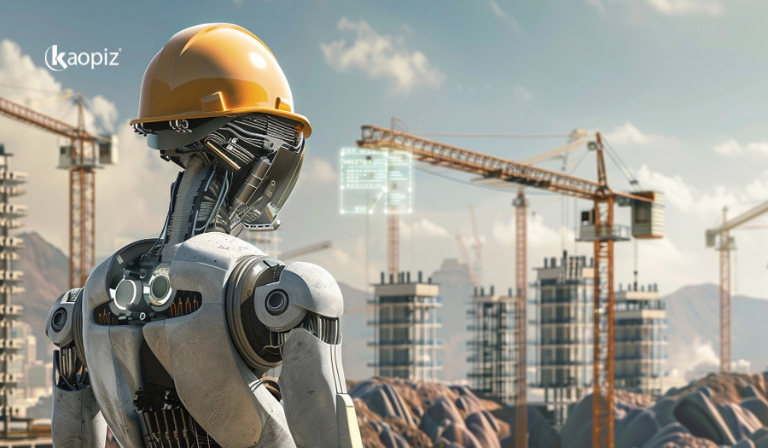
Research shows that AI-powered safety monitoring can reduce workplace incidents by up to 30% by enabling faster detection of unsafe conditions and proactive risk management. In addition, predictive analytics can analyze historical safety data to forecast potential accidents before they occur, allowing project managers to take preventive measures.
Faster Project Delivery
AI technologies help companies deliver projects faster by improving scheduling accuracy, predicting delays, and optimizing resource allocation. AI-powered scheduling tools analyze historical project data, workforce availability, weather patterns, and supply chain information to automatically adjust project timelines and prevent bottlenecks.
Research from McKinsey Global Institute shows that digital technologies and advanced analytics in construction can improve productivity by 14–15%, enabling projects to be completed more efficiently. In addition, AI-driven data systems can improve overall project performance by up to 20% by detecting deviations earlier and enabling faster decision-making.
Better Decision-Making
AI enables companies to make more informed decisions by transforming large volumes of project data into actionable insights. By analyzing data from project schedules, site sensors, financial reports, and historical project records, AI systems can identify patterns, predict potential risks, and provide recommendations to support planning and operational decisions.
With real-time data analytics and predictive models, project managers can detect issues earlier, evaluate different scenarios, and choose the most efficient course of action. This data-driven approach reduces reliance on guesswork and manual reporting, helping construction teams improve planning accuracy, respond faster to changes, and maintain better control over project performance.
Improved Workforce Efficiency Amid Labor Shortages
Labor shortages are becoming a major challenge for companies worldwide. For example, the U.S. construction industry alone needs to attract around 500,000 new workers in 2026 just to meet current demand, and workforce shortages have already caused project delays for about 45% of contractors.

AI helps firms maintain productivity despite limited manpower by automating repetitive tasks, improving workforce planning, and optimizing resource allocation. By using AI-driven scheduling, monitoring, and analytics tools, companies can manage complex projects more efficiently and reduce their reliance on large on-site teams while keeping projects on schedule.
3 Case Studies: Successful AI Integration in Real Construction Projects
To better understand the real-world impact of AI in construction management, it is helpful to look at how companies are already applying these technologies across different projects. The following case studies highlight how AI solutions, from safety analytics to scheduling optimization, are helping firms improve safety, efficiency, and project performance.
AI-Powered Safety Monitoring
Client Background: Shawmut Design and Construction is a Boston-based construction management company overseeing more than 150 active worksites and around 30,000 workers across projects in the United States.
Problem: Construction sites involve significant safety risks. Shawmut needed a way to predict safety incidents and identify high-risk conditions before accidents occur.
Solution: The company implemented an AI-driven safety analytics system that analyzes project data such as worker experience levels, supervision ratios, and environmental conditions to detect potential hazards.
Results:
- Improved ability to predict safety incidents before they happen
- Better risk assessment across multiple job sites
- Increased operational safety and efficiency across large projects
AI Image Recognition for Construction Site Safety Management (Kaopiz Case Study)
Client Background: A Japanese company providing ICT solutions for communication infrastructure and public works sought to improve safety monitoring across construction sites through digital technologies.
Problem: The client operated a mobile safety management app (Android/iOS) used by workers at sites. However, the system faced challenges with image recognition accuracy and real-time notifications, making it difficult for teams to quickly verify safety conditions on site.
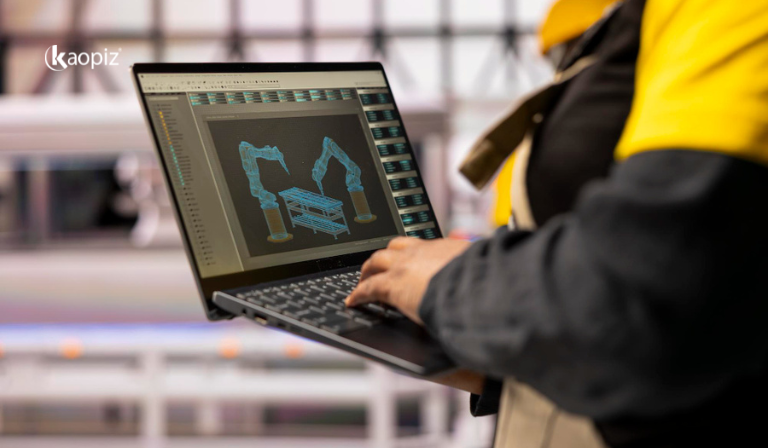
Solution: Kaopiz enhanced the existing mobile application by integrating AI-powered image recognition capabilities. The solution included real-time AI recognition results displayed through pop-up notifications and automated image rotation to ensure correct orientation before uploading to the server.
Results:
- Faster on-site safety verification through real-time AI recognition results
- Improved data accuracy through automated image processing
- Enhanced user experience for construction workers and site supervisors
- Seamless integration with the client’s existing AI system and mobile platform
Customer’s Voice: In terms of quality, we found complex structures and unique interpretations in areas that did not affect the functionality, so we made many suggestions. Although there is a language barrier, we would appreciate it if you would consider the intent when coding. In addition, there were omissions in the unit test from a comprehensive perspective. We would appreciate it if Kaopiz could check it instead of finding it. Overall, we are very satisfied with the quick response and quick response to changes caused by us. Thank you very much.
Looking to implement AI-powered safety monitoring for your projects? Kaopiz helps construction and infrastructure companies develop customized AI solutions, from computer vision systems to intelligent project management platforms.
AI Scheduling Optimization for a Large Infrastructure Project
Client Background: Andrade Gutierrez, one of Brazil’s largest engineering and construction companies, was managing a major infrastructure project with a complex schedule and multiple contractors involved.
Problem: During project execution, the team identified a potential one-month delay, which could result in significant financial penalties and additional overhead costs. Traditional scheduling methods made it difficult to quickly evaluate multiple recovery scenarios.
Solution: The project team implemented an AI-powered scheduling platform. The system analyzed thousands of possible scheduling scenarios and generated optimized construction plans to improve task sequencing and crew allocation.
Results:
- Project timeline reduced by 27 days (16%) without adding extra resources
- Crew utilization improved from 84% to 91%
- Early completion saved approximately 2.7% of project value in overhead costs
- Avoided potential delay penalties of up to 6% of the contract value
- AI generated optimized scheduling scenarios 5× faster than traditional planning methods
Implementation Challenges & How to Overcome Them
While AI offers significant benefits for the construction industry, integrating AI solutions can present several challenges. Many companies still rely on traditional workflows, fragmented data systems, and manual processes, which can slow down digital transformation. However, with the right strategy and gradual adoption, these challenges can be effectively addressed.
| Challenge | Description | How to Overcome |
|---|---|---|
| Data Availability & Quality | Construction data is often fragmented across different systems and formats. | Implement centralized data platforms, BIM systems, and IoT sensors to improve data collection and accessibility. |
| Integration with Legacy Systems | Existing construction workflows and software may not easily integrate with AI solutions. | Start with small pilot projects and gradually integrate AI into existing project management systems. |
| Skills & Expertise Gap | Many construction firms lack in-house AI or data science expertise. | Partner with experienced AI development providers to build and deploy tailored solutions. |
| Implementation Costs | Initial AI implementation may require investment in infrastructure and technology. | Focus on high-impact use cases first to demonstrate ROI before scaling across projects. |
| Change Management | Teams may resist adopting new technologies or workflows. | Provide training, demonstrate benefits, and introduce AI tools gradually across teams. |
By addressing these challenges through better data management, gradual implementation, and strategic partnerships, construction firms can successfully adopt AI and unlock its full potential to improve safety, efficiency, and project performance.
How Singapore Companies Are Implementing AI in Construction
Many construction companies in Singapore adopt AI gradually rather than deploying large-scale systems all at once. They typically start with high-impact use cases such as safety monitoring or predictive maintenance to test the technology and measure its impact. Once early results demonstrate clear benefits, companies can expand AI adoption across multiple projects and operational areas.
A typical AI implementation roadmap in construction includes the following steps:
- Identify high-impact use cases: Start with areas where AI can deliver immediate value, such as safety monitoring, or project scheduling.
- Centralize and prepare project data: Collect and organize data from sources such as BIM systems, and IoT sensors.
- Develop and train AI models: Use machine learning algorithms to analyze historical and real-time construction data.
- Integrate AI with existing systems: Connect AI solutions with construction management tools, mobile apps, and site monitoring platforms.
- Scale across projects: Once proven effective, deploy AI solutions across multiple projects and operational workflows.
In many cases, companies also partner with AI technology providers to design customized solutions that align with their existing processes. This collaborative approach allows firms to adopt AI more efficiently while ensuring the technology integrates smoothly into real-world operations.
Kaopiz: Your Trusted Partner for AI Construction Solutions in Singapore
As the construction industry increasingly adopts AI to improve safety, efficiency, and project management, many companies are looking for reliable technology partners to develop and implement customized solutions. Kaopiz is a leading software development and AI solutions provider with extensive experience supporting global clients in building data-driven digital platforms.
With a team of 1,000+ engineers and experience delivering over 1,000 projects for 500+ clients worldwide, Kaopiz helps construction and infrastructure companies design and deploy AI-powered systems tailored to their operational needs. Our expertise includes technologies such as computer vision, machine learning, predictive analytics, and cloud-based platforms, enabling firms to modernize their workflows and improve decision-making.

Kaopiz supports construction companies in Singapore with solutions such as:
- AI-powered site monitoring systems using computer vision to detect safety risks and track project progress
- Predictive analytics platforms that forecast delays, equipment failures, and operational risks
- Smart construction management platforms that integrate AI with BIM, IoT, and project management tools
- Custom AI applications and enterprise software designed for complex construction environments
By combining strong engineering capabilities with deep expertise in AI technologies, Kaopiz enables construction companies to accelerate digital transformation and build more efficient, safer, and data-driven operations across the region.
The Future of AI in Construction (2026 – 2030)
AI is expected to play an increasingly important role in the construction industry over the next decade. AI will gradually move from isolated tools to becoming a core part of project management, design, and on-site operations.
Several key construction technology trends are expected to shape the future of AI between 2026 and 2030 in Singapore:
- Smart and connected construction sites: AI will work alongside IoT sensors, drones, and connected equipment to monitor site conditions in real time and improve safety management.
- Predictive project management: AI-driven analytics will help firms forecast delays, detect risks earlier, and optimize scheduling and resource allocation.
- AI-powered design and generative engineering: Architects and engineers will use generative AI in the construction market to evaluate thousands of design alternatives and create more efficient and sustainable structures.
- Autonomous construction equipment: AI-integrated machinery and robotics will automate tasks such as excavation, site surveying, and material handling.
- Integration with digital twins and BIM: AI will enhance digital twin models and BIM platforms, enabling more accurate simulation, planning, and project monitoring.
As these technologies continue to evolve, companies that adopt AI early will gain a significant competitive advantage by improving productivity, reducing risks, and delivering projects more efficiently in an increasingly digital ecosystem.
Conclusion
AI is transforming the construction industry by improving safety, optimizing project management, and reducing costs. From site monitoring and predictive analytics to automated scheduling, AI enables construction companies to operate more efficiently and make better data-driven decisions.
Projects become more complex and labor shortages continue to impact the industry. Therefore, companies that adopt AI early will gain a competitive advantage by delivering projects faster, safer, and more cost-effectively.
FAQs
- How Is AI Used in the Construction Industry?
- AI is used in construction to improve project planning, safety monitoring, and operational efficiency. Technologies such as computer vision, and predictive analytics help companies monitor sites in real time, detect safety risks, and improve cost estimation.
- How Much Does It Cost to Implement AI in a Construction Project?
- The cost of implementing AI in construction varies by project complexity, data availability, and system integration. Small AI solutions, such as safety monitoring or predictive maintenance, require moderate investment. Large-scale AI platforms integrated with BIM, IoT, and project management systems typically involve higher development costs.
- Does AI Replace Human Engineers in Construction?
- No, AI is designed to support engineers rather than replace them. AI in construction software helps automate repetitive tasks, analyze large volumes of project data, and provide insights that assist engineers and project managers in making better decisions. Human expertise remains essential for project planning, design, and on-site management.
- How Can Construction Companies Start Implementing AI?
- Construction companies can start implementing AI by identifying high-impact use cases such as safety monitoring, or project scheduling. They should also focus on collecting and organizing project data through digital tools like BIM and construction management systems before developing AI models or working with AI technology partners.
- What Are the Biggest Challenges of AI Adoption in Construction?
- Some of the main challenges include limited access to high-quality data, integration with existing construction systems, and a shortage of AI expertise within construction organizations. Companies can overcome these challenges by improving data infrastructure, starting with pilot projects, and partnering with experienced AI development providers.
Trending Post


No Comments yet!