
Managed IT Services Outsourcing: How Australian Businesses Scale IT Operations Without Expanding Internal Teams
A CTO at an Australian company once told me that his biggest IT challenge was not cybersecurity, cloud migration, or even the shortage of skilled engineers. It was that his most experienced people spent more time keeping systems running than building the products and capabilities that would help the business grow.
As cloud environments become more complex and AI adoption accelerates, this challenge is becoming increasingly common across Australia and Singapore. For many organizations, the real cost of IT operations is not infrastructure spending itself, but the innovation lost to day-to-day maintenance. This shift is one of the main reasons Managed IT Services Outsourcing is evolving from a support function into a strategic business decision.
This guide covers what managed IT services outsourcing actually includes, how it compares to in-house IT and staff augmentation, what it costs in the Australian market, and how to evaluate the right managed service provider for your organization.
Key Takeaways
- Australian organizations are projected to spend over A$26 billion on public cloud services in 2026 (Gartner), complexity is outpacing what internal teams can manage alone.
- The real cost of IT operations is not infrastructure spend, it’s the innovation lost to day-to-day maintenance.
- Managed IT services outsourcing covers help desk support, cybersecurity, cloud and infrastructure management, and disaster recovery, not just basic technical support.
- Unlike traditional outsourcing (project-based, resource-focused), managed IT services transfers ongoing operational responsibility to the MSP under a defined SLA framework.
- A cybercrime report is filed in Australia approximately every six minutes (ACSC), cybersecurity coverage is no longer optional.
- Managed services converts unpredictable IT spending into a fixed monthly operating cost, improving budget visibility and reducing emergency expenditure.
- 85% of organizations have already adopted managed services in some form (KPMG 2025), it is now a baseline expectation, not a competitive differentiator.
Why Managed IT Services Outsourcing Is Becoming a Strategic Priority in Australia
As technology ecosystems become more complex, many Australian businesses are finding it increasingly difficult to scale IT operations through internal resources alone. This challenge is accelerating the adoption of managed IT services outsourcing as organizations seek more efficient ways to manage cloud infrastructure, cybersecurity, and business-critical systems.
Technology Complexity Is Growing Faster Than Internal Teams Can Scale
According to Gartner, Australian organizations are expected to spend more than A$26 billion on public cloud services in 2026. As cloud infrastructure expands alongside cybersecurity and compliance requirements, internal IT teams are often required to manage increasingly complex technology environments.
At the same time, building expertise across cloud, cybersecurity, and infrastructure management remains difficult and expensive. This is why many organizations are turning to managed IT services outsourcing and managed service providers (MSPs) to access specialized capabilities without continuously increasing headcount.
Why IT Leaders Are Shifting Focus from Operations to Innovation
Technology leaders are under growing pressure to support digital transformation, AI adoption, and product innovation while maintaining reliable IT operations. However, routine support, maintenance, and infrastructure management often consume resources that could be invested elsewhere.
By adopting managed IT services outsourcing, businesses can transfer day-to-day IT operations and managed IT support services to an MSP. This allows internal teams to focus on higher-value initiatives that drive growth, strengthen competitiveness, and create long-term business value.
What Does Managed IT Services Outsourcing Cover?
The scope of managed IT services outsourcing extends far beyond basic technical support. A managed service provider (MSP) can take responsibility for multiple areas of IT operations, helping businesses improve reliability, security, and scalability while reducing the burden on internal teams.
Help Desk Support
Help desk support is one of the most commonly outsourced IT functions. Employees require fast assistance with access requests, software issues, device problems, and day-to-day technical challenges that can affect productivity.
Through managed IT services outsourcing, businesses gain access to structured IT support without maintaining a large internal support team. This ensures consistent service levels while allowing internal resources to focus on higher-value initiatives.
Cybersecurity
Cybersecurity has become a critical component of modern managed IT services. According to the Australian Cyber Security Centre (ACSC), a cybercrime report is made approximately every six minutes, highlighting the growing threat landscape facing Australian businesses.
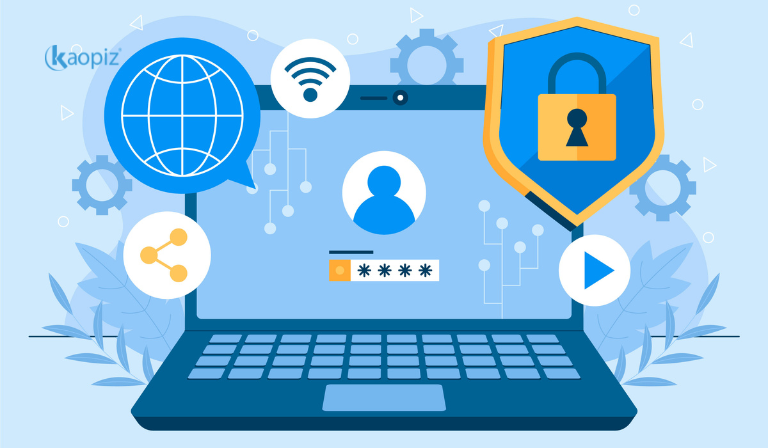
As part of managed IT services outsourcing, MSPs typically provide threat monitoring, endpoint protection, vulnerability management, and compliance support. This helps organizations strengthen security without building extensive in-house cybersecurity capabilities.
Cloud & Infrastructure Management
As organizations expand their use of cloud technologies, managing infrastructure becomes significantly more complex. Multiple cloud platforms, SaaS applications, and interconnected systems create new operational challenges that require continuous monitoring, optimization, and governance.
Through managed IT services outsourcing, businesses can rely on an MSP to oversee cloud infrastructure, server environments, network performance, and vendor relationships. This helps ensure technology resources remain secure, scalable, and aligned with evolving business requirements.
Disaster Recovery and Business Continuity
Unexpected disruptions can occur at any time, whether caused by cyberattacks, system failures, human error, or infrastructure outages. Without a clear recovery strategy, even a short period of downtime can affect productivity, customer experience, and business performance.
Managed IT services outsourcing often includes disaster recovery and business continuity capabilities such as backup management, recovery planning, testing procedures, and incident response support. These measures help organizations minimize operational disruption and maintain resilience when unexpected events occur.
The Real Business Benefits of Managed IT Services Outsourcing
While cost savings are often the initial reason businesses consider managed IT services outsourcing, the long-term value extends much further. For many organizations, the biggest advantages come from improved operational resilience, greater scalability, and the ability to redirect internal resources toward strategic initiatives that support growth.
Proactive Maintenance: Preventing Downtime Before It Happens
Traditional IT support models are often reactive, meaning issues are addressed only after they disrupt users or business operations. In contrast, managed IT services outsourcing focuses on proactive monitoring, maintenance, and performance optimization to identify potential risks before they become costly incidents.
By continuously monitoring infrastructure, networks, and critical systems, an MSP can detect vulnerabilities, software issues, and capacity bottlenecks early. This approach helps reduce downtime, improve business continuity, and minimize the productivity losses that often result from unexpected outages.
Budget Predictability Through a Fixed Operating Cost Model
Building and maintaining an internal IT team involves a wide range of variable costs, including recruitment, training, certifications, infrastructure upgrades, software licensing, and emergency support requirements. These expenses can make long-term budgeting difficult, particularly for growing businesses.
Managed IT services outsourcing typically operates under a predictable monthly pricing structure, allowing organizations to better forecast technology spending. By converting many technology expenses into a more manageable operating cost, businesses gain greater financial visibility while reducing the risk of unexpected IT-related expenditures.
24/7 Support and Scalability Without Expanding Internal Teams
As organizations grow, their technology environments often become more demanding. Supporting users across different locations, maintaining business-critical systems, and responding to incidents outside standard business hours can quickly stretch internal resources beyond their capacity.
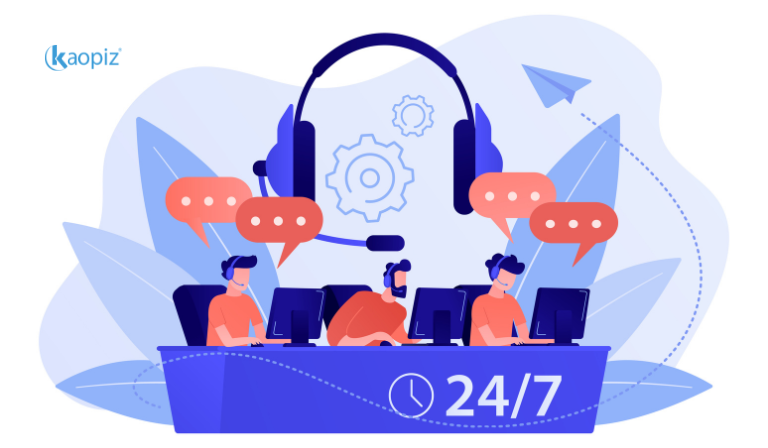
Managed IT services provide access to round-the-clock support and a broader pool of specialized expertise without requiring additional full-time hires. This enables businesses to scale IT operations more efficiently while maintaining service quality, security standards, and operational performance as requirements evolve.
Focus on Core Competencies and Business Growth
Many internal IT teams spend a significant portion of their time on routine support requests, infrastructure maintenance, and operational management. While these activities are essential, they often limit the amount of time available for innovation, product development, and digital transformation initiatives.
By leveraging managed IT services outsourcing, organizations can transfer day-to-day IT operations and support responsibilities to an MSP. This allows internal teams to focus on higher-value activities such as AI adoption, customer experience improvements, process automation, and initiatives that directly contribute to long-term business growth and competitive advantage.
Faster Access to Specialized Expertise
Building an in-house team with expertise across cloud infrastructure, cybersecurity, DevOps, compliance, and emerging technologies is becoming increasingly difficult. Even when organizations successfully recruit skilled professionals, retaining that expertise over the long term remains a significant challenge.
Managed IT services outsourcing provides immediate access to a broader pool of specialists without the time and cost associated with hiring, onboarding, and training. Instead of relying on a limited number of internal resources, businesses can leverage diverse technical expertise through an experienced MSP whenever specific skills are required.
Stronger Security, Compliance, and Risk Management
As cyber threats continue to evolve, maintaining a secure and compliant technology environment requires ongoing attention. Many organizations struggle to keep pace with changing security requirements while simultaneously managing infrastructure, applications, and daily IT operations.
Managed IT services providers help strengthen cybersecurity through continuous monitoring, security updates, access controls, and risk management practices. In addition, they can support compliance initiatives and governance requirements, helping businesses reduce operational risk while maintaining a more resilient IT environment.
Managed IT Services Outsourcing vs Traditional IT Outsourcing
While the terms are often used interchangeably, managed IT services outsourcing and traditional IT outsourcing solve different business problems. Understanding this distinction is critical for technology leaders evaluating how to scale IT capabilities, improve operational efficiency, and support long-term business growth.
Long-Term Strategic Partnership vs Project-Based Engagement
Traditional IT outsourcing is typically designed around a specific project, deliverable, or temporary resource requirement. Businesses may outsource a cloud migration, software implementation, infrastructure upgrade, or development project with a defined scope and timeline.
Managed IT services outsourcing takes a different approach. Rather than focusing on a single deliverable, an MSP assumes ongoing responsibility for IT operations, infrastructure management, cybersecurity, and support services through a long-term partnership model.
Outcome Ownership vs Resource Provision
In many IT outsourcing engagements, vendors provide resources or complete predefined tasks based on agreed requirements. Responsibility is often limited to project delivery, while the internal team remains accountable for ongoing system performance and operational outcomes.
With managed IT services outsourcing, the focus shifts from resource provision to service outcomes. MSPs are typically measured through service-level agreements (SLAs), performance metrics, system availability targets, and response times, creating stronger accountability for operational results.
Which Model Fits Modern Technology Organizations?
Neither IT outsourcing model is inherently better; the right choice depends on business objectives. Traditional IT outsourcing can be effective for one-time projects or short-term capability gaps where organizations need specialized expertise for a limited period.

Managed IT services outsourcing is often a better fit for businesses seeking continuous support, predictable service delivery, stronger cybersecurity governance, and scalable IT operations. For many Australian organizations, the decision is less about replacing internal teams and more about creating an operating model that allows technology resources to focus on innovation rather than maintenance.
Managed IT Services vs In-House IT vs Staff Augmentation: Which Model Delivers Better Outcomes?
Technology leaders today have more options than ever when building and managing IT capabilities. However, choosing between an internal IT team, staff augmentation, and managed IT services outsourcing requires more than comparing costs. Each model offers different levels of control, scalability, expertise, and operational responsibility.
| Criteria | In-House IT | Staff Augmentation | Managed IT Services Outsourcing |
|---|---|---|---|
| Team Ownership | Full internal ownership | Internal management required | Managed by MSP |
| Access to Expertise | Limited to hired employees | Depends on hired specialists | Broad pool of specialists |
| Scalability | Slowest to scale | Moderate | High |
| Recruitment Effort | High | Moderate | Minimal |
| Operational Responsibility | Internal team | Internal team | Shared or outsourced |
| 24/7 Support | Requires additional staffing | Limited | Typically included |
| Cybersecurity Coverage | Depends on internal capabilities | Depends on assigned resources | Usually included as part of service |
| Cost Predictability | Lower | Moderate | High |
| Best For | Organizations with large internal IT departments | Temporary skill gaps | Long-term IT operations and support |
The best model ultimately depends on business objectives:
- In-house teams provide maximum control
- Staff augmentation helps address short-term capability gaps
- Managed IT services outsourcing is often the strongest option for organizations seeking scalable IT operations, predictable costs, and access to specialized expertise without significantly expanding internal headcount
How to Evaluate a Managed IT Services Outsourcing Partner
According to KPMG’s 2025 managed services research, approximately 85% of organizations have already adopted managed services in some form, reflecting a significant shift in how businesses approach technology operations.
Rather than viewing managed IT services outsourcing purely as a cost-saving measure, many organizations now see it as a strategic way to improve agility, strengthen resilience, and gain access to specialized expertise. As a result, selecting the right MSP has become a critical business decision.
Technical Expertise and Security Capabilities
Not all managed IT services providers offer the same depth of expertise. Technology leaders should evaluate whether a provider has proven experience across cloud infrastructure, cybersecurity, network management, and the technologies that support their business operations.
Beyond technical capabilities, organizations should also assess how an MSP approaches security and risk management. Certifications, security frameworks, incident response processes, and compliance experience can provide valuable insight into a provider’s ability to support a secure and resilient IT environment.
Governance, SLA and Accountability
Successful managed IT services outsourcing requires clear expectations and measurable outcomes. Without well-defined governance structures, businesses may struggle to assess service quality, track performance, or maintain alignment between technology objectives and business priorities.
Before entering a partnership, organizations should review SLAs, reporting frameworks, escalation procedures, and performance metrics. Strong governance helps ensure accountability while creating greater transparency across day-to-day IT operations.
Questions Tech Companies Should Ask Before Selecting an MSP
Choosing an MSP should involve more than comparing services or pricing. Technology leaders should assess how providers handle cybersecurity, business continuity, infrastructure management, and changing business requirements. The right MSP acts as a long-term partner, helping organizations improve reliability, security, and operational efficiency.
When evaluating providers, businesses should focus on technical expertise, service responsiveness, scalability, industry experience, and accountability. The strongest managed IT services outsourcing partners can demonstrate measurable business outcomes, not just technical support.
Key questions to ask include:
- How do you handle cybersecurity incidents and risk management?
- What response times do you guarantee in your SLA?
- Do you provide 24/7 monitoring and support?
- How do you support disaster recovery and business continuity?
- What experience do you have in our industry?
- How can your services scale as our business grows?
- Can you provide relevant client references or case studies?
- How do you measure and report business outcomes?
How Much Does Managed IT Services Outsourcing Cost in Australia?
Several factors influence managed IT services pricing, including:
- Number of users and devices
- Infrastructure and cloud environment complexity
- Cybersecurity requirements
- Compliance obligations
- Service availability and support hours
- Number of business locations
- Industry-specific requirements
| Pricing Model | Typical Cost Range | Best For |
|---|---|---|
| Per User | $80 – $250 per user/month | SMEs and growing businesses with standardized IT environments |
| Per Device | $20 – $150 per device/month | Organizations with diverse infrastructure and device requirements |
| Tiered Packages | $1,000 – $10,000+ per month | Businesses seeking bundled IT support, cybersecurity, and cloud services |
| All-Inclusive Managed Services | $3,000 – $50,000+ per month | Mid-sized and enterprise organizations requiring comprehensive IT management |
| Co-Managed IT Services | $2,000 – $20,000+ per month | Internal IT teams needing additional expertise and support |
Rather than selecting the lowest-cost provider, technology leaders should focus on total business value. An MSP that improves security, reduces downtime, and supports long-term growth often delivers a stronger return on investment than a lower-cost provider with limited capabilities.
Why Australian Businesses Choose Kaopiz for Managed IT Services Outsourcing
Kaopiz is a Vietnam-based technology company with over a decade of experience supporting Australian and Singapore businesses across web and mobile development, cloud infrastructure, and managed IT services outsourcing.
With more than 1,000 engineers and a delivery track record spanning 500+ clients and 1,000+ projects globally, Kaopiz combines deep technical expertise with the operational maturity required to support long-term technology operations.
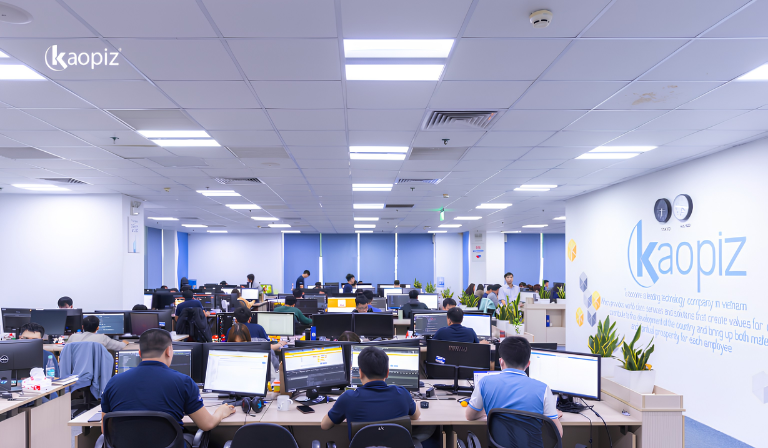
Kaopiz provides end-to-end managed IT services tailored to the needs of growing businesses and enterprise organizations, including:
- Managed cloud and infrastructure services (AWS, Azure, and GCP monitoring, optimization, and 24/7 incident response)
- Application management and help desk support with SLA-backed service delivery
- Cybersecurity managed services, including vulnerability assessment, threat monitoring, and security governance support
- Dedicated development teams that combine product development capabilities with ongoing operational support
- IT staff augmentation services for organizations requiring specialized technical expertise
Clients choose Kaopiz not only for technical capabilities but also for flexibility, responsiveness, and the ability to scale delivery teams quickly as business requirements evolve.
“Kaopiz consistently demonstrated strong technical expertise, clear communication, and the ability to scale resources efficiently. Their team integrated seamlessly into our operations and provided reliable support throughout the engagement, helping us accelerate delivery while maintaining high quality standards.”
Whether you are looking to optimize cloud infrastructure, strengthen cybersecurity operations, improve IT support coverage, or build a scalable managed services model, Kaopiz can help you create an outsourcing strategy aligned with your business objectives and growth plans.
Conclusion
Managed IT services outsourcing has shifted from an optional cost-optimization tactic to a core part of how competitive Australian businesses build and sustain technology capability. Rising cybersecurity risks, increasing cloud complexity, ongoing talent shortages, and the pressure to focus internal teams on growth rather than maintenance have made managed services a practical necessity for organizations prioritizing operational resilience.
The businesses that scale most effectively over the next five years will be those that clearly distinguish between IT capabilities to own internally and those better handled by specialist managed services partners.
This balance between strategic ownership and operational delegation is where the real advantage of managed IT outsourcing emerges. Selecting the right partner, with strong capabilities, clear accountability, and a long-term growth mindset, is what ultimately drives sustained value.
FAQs
- What Is the Difference Between Managed IT Services and Traditional IT Outsourcing?
- Traditional IT outsourcing provides resources or completes specific projects with accountability resting primarily with the client. Managed IT services outsourcing transfers ongoing operational responsibility to the MSP, who delivers defined outcomes under an SLA framework.
- How Much Does Managed IT Services Outsourcing Cost in Australia?
- Costs range from AUD 80 to AUD 250 per user per month for comprehensive managed services. Per-device pricing typically ranges from AUD 30 to AUD 150 per device per month depending on complexity. Total investment depends on service tier, scope, number of users or devices, and whether security operations and disaster recovery are included.
- What Services Are Typically Included in a Managed IT Services Contract?
- Standard managed IT services contracts cover helpdesk and technical support, endpoint and infrastructure monitoring, patch management, cybersecurity services, cloud management, and reporting. Premium tiers typically add disaster recovery management, SOC services, compliance reporting, and strategic IT advisory.
- Is Managed IT Services Outsourcing Suitable for Small and Mid-Sized Businesses?
- Managed IT services outsourcing is particularly well-suited to Australian SMEs with 20 to 500 employees. The per-user and tiered pricing models make enterprise-grade IT coverage economically accessible to organizations that cannot justify the cost of equivalent internal capability. Most MSPs offer scalable engagement structures that allow businesses to start with core services and expand coverage as needs evolve.
- How Do I Choose the Right Managed Service Provider?
- Evaluate MSPs on technical certifications and security capabilities, SLA framework and accountability mechanisms, industry-specific experience, client retention rates, and onboarding process. Request references from clients in comparable industries who have been with the provider for three or more years. Prioritize outcome ownership over resource provision, and ensure the governance structure includes regular strategic reviews, not just helpdesk ticket management.
Author

Lucie Tran
Head of Growth of Kaopiz Global
Table of Contents
Don’t miss what’s next!
Thank you! Your form has been submitted successfully.