
Staff Augmentation vs Managed Services Model: A Practical Guide for Australian Technology Leaders
Australian businesses are under increasing pressure to deliver digital transformation initiatives while facing persistent talent shortages, rising technology costs, and growing demands around cybersecurity and AI adoption. In this environment, the choice between a staff augmentation vs managed services model matters as much as the choice of technology partner itself.
I’ve worked with Australian companies across fintech, healthcare, manufacturing, and logistics, and the most successful outsourcing partnerships never start with a cost conversation. They start with a clear question: where does the business need flexibility, and who should own delivery? Get this wrong, and you create management overhead or limit scalability. Get it right, and execution accelerates.
This guide compares staff augmentation and managed services across management, pricing, accountability, scalability, and ideal use cases, giving you a clear framework for choosing the model that fits your outsourcing strategy.
Key Takeaways
- Staff augmentation extends your existing team with external specialists; managed services hand off responsibility for an entire IT function.
- The real difference between these two engagement models lies in management, accountability, pricing, and delivery ownership, not technical capability.
- Staff augmentation suits organizations with strong internal technical leadership, fast-changing roadmaps, and a need for specialized skills on demand.
- Managed services suit businesses seeking predictable operations, lower management overhead, and outcome-based delivery backed by SLAs.
- Australian businesses are moving beyond cost-driven outsourcing, using external partners to close talent gaps and accelerate AI adoption.
- Many organizations skip the either/or decision entirely, pairing staff augmentation for product development with managed services for infrastructure and cybersecurity.
- The right choice depends on business objectives, internal management capacity, and scalability needs, not short-term cost alone.
What Does Staff Augmentation vs Managed Services Model Really Mean?
Choosing between a staff augmentation vs managed services model is no longer simply about cost optimization. According to the KPMG Managed Services Outlook 2026, 99% of organizations consider managed services strategically important, while 87% have already incorporated them into their digital transformation initiatives.
The report also highlights that organizations increasingly evaluate outsourcing partners based on governance, AI capabilities, and business outcomes rather than labor costs alone. This shift makes it essential to understand how the two models differ across management, accountability, cost, and scalability.
Management and Operational Control
The most fundamental difference between staff augmentation vs managed services lies in who manages the work. With IT staff augmentation services, external professionals join your existing team, while your managers retain full responsibility for planning, prioritization, technical decisions, and delivery execution.
Managed services follow a different operating model. The provider manages its own people, delivery processes, and service operations, allowing your internal teams to focus on strategic initiatives while monitoring outcomes through agreed governance mechanisms and service level agreements.
Pricing Structure and Cost Predictability
Staff augmentation is typically billed on an hourly or monthly rate per engineer, giving businesses the flexibility to scale resources up or down as project requirements change. This variable pricing model works particularly well for software development, product engineering, and rapidly evolving digital initiatives.
Managed services generally use fixed or subscription-based pricing tied to a predefined scope of services. Because costs are linked to business outcomes rather than individual resources, organizations benefit from greater budget predictability and simplified long-term operational planning.
Accountability, Risk, and SLAs
One of the biggest distinctions between the two models is delivery ownership. Under staff augmentation, your organization remains accountable for project success because external engineers operate as part of your internal delivery team. Strong project management and technical leadership therefore become critical success factors.
Managed services transfer much of the operational responsibility to the service provider. According to an IBM Institute for Business Value study published in 2026, 91% of executives report limited visibility into AI dependencies across vendors, while 71% say changing their primary AI provider would be difficult. As organizations rely more heavily on external technology partners, clearly defined SLAs, governance structures, and accountability models become increasingly important for managing operational and business risk.
Team Integration and Collaboration
Staff augmentation creates a highly collaborative environment where external engineers participate in daily stand-ups, sprint planning, code reviews, and architectural discussions alongside internal teams. This makes the model ideal for organizations that want to retain engineering culture and delivery ownership while expanding capacity.
Managed services teams operate more independently. Collaboration typically occurs through governance meetings, performance reporting, and service reviews rather than continuous involvement in day-to-day engineering activities, making the model well suited to ongoing operational functions.
Scalability and Flexibility
For organizations with fluctuating development priorities, staff augmentation provides exceptional flexibility by allowing them to quickly onboard specialists in cloud, AI, DevOps, cybersecurity, or software engineering without increasing permanent headcount.
Managed services scale differently by expanding or optimizing an entire operational capability rather than adding individual contributors. This makes the model particularly effective for businesses seeking predictable service delivery, standardized processes, and reduced management overhead over the long term.
Staff Augmentation vs Managed Services: A Clear Model Comparison
Choosing between a staff augmentation vs managed services model becomes much easier when the two approaches are compared side by side. While both help organizations access external expertise, they differ significantly in ownership, management, pricing, and the business outcomes they are designed to achieve.
| Criteria | Staff Augmentation | Managed Services |
|---|---|---|
| Management | Client manages the external professionals and day-to-day work. | Provider manages the team, processes, and service delivery. |
| Delivery Responsibility | Client is accountable for project execution and outcomes. | Provider is responsible for delivering agreed services under defined SLAs. |
| Pricing Model | Hourly, daily, or monthly rate per resource with flexible scaling. | Fixed monthly or outcome-based pricing tied to the contracted service scope. |
| Scalability | Quickly add or reduce individual specialists as project needs change. | Scale an entire operational function with standardized processes. |
| Best For | Product development, specialized skill gaps, temporary capacity expansion, agile projects. | IT operations, cloud management, cybersecurity, infrastructure, and ongoing business support. |
The comparison shows that neither model is universally better. Staff augmentation is ideal when businesses want to retain complete control while strengthening their internal team with specialized talent.
Managed services, on the other hand, are designed for organizations that want to outsource operational responsibility, achieve predictable service levels, and reduce internal management overhead. The right choice ultimately depends on whether your priority is increasing engineering capacity or outsourcing business outcomes.
When Should You Choose Staff Augmentation?
While both outsourcing models offer access to external expertise, staff augmentation is designed for organizations that want to strengthen their existing team without giving up control over delivery. If your business already has established engineering processes and technical leadership, augmenting your workforce can accelerate execution while preserving the way your teams operate.
You Already Have Strong Technical Leadership
Staff augmentation works best when your organization already has experienced engineering managers, product owners, and technical architects in place. External professionals can quickly integrate into existing workflows while internal leaders continue to drive priorities, technical decisions, and project execution.

Because the augmented team follows your processes, tools, and engineering standards, businesses can increase development capacity without changing their delivery model or creating additional management layers.
You Need Specialized Skills Quickly
Finding experienced AI engineers, cloud architects, DevOps specialists, or cybersecurity experts through traditional hiring can be both time-consuming and expensive. Staff augmentation allows businesses to access niche expertise almost immediately, helping projects move forward without waiting months to fill critical roles.
This flexibility is particularly valuable for digital transformation initiatives, product launches, or enterprise modernization programs where missing a delivery milestone can have significant business consequences.
Your Product Roadmap Changes Frequently
Fast-growing technology companies often adjust priorities based on customer feedback, market conditions, or evolving business requirements. In these environments, maintaining a fixed internal team doesn’t provide the flexibility needed to support changing workloads.
Staff augmentation enables organizations to scale engineering capacity up or down as priorities evolve. Teams can quickly add specialists for new initiatives or reduce resources once a project phase is complete, improving both agility and cost efficiency.
You Want to Retain Complete Delivery Control
Some organizations prefer to keep architecture decisions, product direction, and engineering governance entirely in-house. For these businesses, outsourcing individual expertise rather than entire functions provides the right balance between flexibility and control.
When comparing staff augmentation vs managed services, companies that want to retain ownership of delivery while extending their engineering capability will typically find staff augmentation to be the more suitable engagement model.
When Are Managed Services the Better Choice?
While staff augmentation is ideal for organizations that want to retain full control, managed services are better suited to businesses looking to outsource operational responsibility and focus internal resources on higher-value initiatives. Instead of managing individual engineers, organizations work with a provider that is accountable for delivering agreed outcomes through defined processes and service levels.
You Need Predictable Operations
Many IT functions require consistency rather than continuous innovation. Services such as infrastructure management, IT helpdesk, cloud operations, network monitoring, and application support benefit from standardized processes and clearly defined performance metrics.
With managed services, businesses gain reliable service delivery through established SLAs and proactive monitoring. This predictability reduces operational disruptions while making it easier to forecast costs and maintain business continuity.
Internal Teams Should Focus on Innovation
As organizations invest more heavily in AI, digital products, and customer-facing applications, internal engineering teams generate greater value when they concentrate on strategic initiatives instead of routine operational work.

By outsourcing day-to-day IT operations through managed services, businesses free their internal specialists to focus on product innovation, digital transformation, and technology initiatives that directly support competitive growth.
Service Levels Matter More Than Individual Resources
Some business functions are measured by outcomes rather than the number of engineers involved. Users care about system availability, response times, security monitoring, and incident resolution, not how many people are assigned to deliver the service.
Managed services are designed around these operational outcomes. Providers assume responsibility for meeting agreed service levels, allowing organizations to evaluate performance based on measurable business results instead of resource utilization.
You Want Lower Management Overhead
Managing an expanded engineering team requires time, technical leadership, and ongoing coordination. For organizations without sufficient management capacity, adding more individual contributors increases complexity rather than improving productivity.
When comparing staff augmentation vs managed services, businesses that want to reduce internal management effort often benefit more from managed services. The provider takes responsibility for staffing, workflow management, quality assurance, and continuous service improvement, enabling internal leaders to spend less time coordinating operations and more time driving business strategy.
Staff Augmentation vs Managed Services Model in Australia: What Is Changing?
Australia’s outsourcing conversation has shifted. Businesses are no longer choosing a model based on budget alone, they’re evaluating how each approach supports innovation, resilience, and long-term growth. As talent shortages deepen and AI adoption accelerates, the real question isn’t which model is cheaper, but which one supports long-term business objectives.
- Australia’s Technology Talent Shortage Is Becoming Structural: Experienced software engineers, cloud specialists, and AI experts remain in short supply, making recruitment slower and less predictable. IT staff augmentation services give businesses fast access to specialized talent while keeping full control over product development.
- Digital Transformation Timelines Have Compressed: Modernization now moves faster than traditional hiring can support. Both engagement models accelerate delivery, but the right one depends on whether the priority is expanding capacity or outsourcing responsibility.
- Australian Businesses Are Combining Multiple Outsourcing Models: Many Australian organizations now run both models in parallel, staff augmentation for product engineering and AI initiatives, managed services for cloud, cybersecurity, and infrastructure. This hybrid approach improves flexibility and cuts management overhead.
Can You Combine Staff Augmentation and Managed Services?
Many organizations assume they must choose between staff augmentation vs managed services model, but in practice, the most effective outsourcing strategy often combines both. As technology environments become more complex, businesses are increasingly matching each engagement model to the specific function it supports rather than relying on a single approach across the entire organization.
For example, an internal product engineering team works alongside augmented developers to accelerate feature delivery, while a managed services provider oversees cloud infrastructure, cybersecurity, or IT support. This allows organizations to maintain control over strategic product development while reducing the operational burden of managing routine IT functions.
By combining the strengths of both models, businesses gain greater flexibility without sacrificing accountability. Internal teams remain focused on innovation and business growth, while external partners ensure operational stability, predictable service quality, and continuous support.
How to Decide Between Staff Augmentation vs Managed Services Model
Selecting the right outsourcing model starts with understanding your business objectives rather than comparing costs alone. Use the following framework to determine whether staff augmentation, managed services, or a combination of both best supports your organization’s technology strategy.

- Identify the business challenge: Determine whether you need additional engineering capacity, specialized expertise, or a partner to manage an entire IT function.
- Evaluate your internal leadership capacity: If your engineering team has strong technical leadership and project management capabilities, staff augmentation is often the better fit. If management bandwidth is limited, managed services deliver greater value.
- Decide who should own delivery: Choose staff augmentation when your organization wants full control over priorities and execution. Choose managed services when you prefer the provider to be accountable for delivery and service performance.
- Consider scalability and flexibility: Assess whether your workforce requirements are project-based and constantly changing or whether you need a stable, long-term operational capability.
- Measure long-term business value: Compare each model based on governance, risk, operational efficiency, scalability, and strategic impact, not simply the initial cost.
The right choice isn’t about which outsourcing model is better overall, but which one aligns most closely with your organization’s goals, operating model, and long-term technology roadmap.
Why Australian Businesses Choose Kaopiz for Staff Augmentation and Managed Services
Choosing between the two models is only part of the decision. The long-term success of either approach depends on working with a trusted IT outsourcing partner in Australia that can recommend the right engagement model, scale alongside your business, and consistently deliver high-quality engineering outcomes.
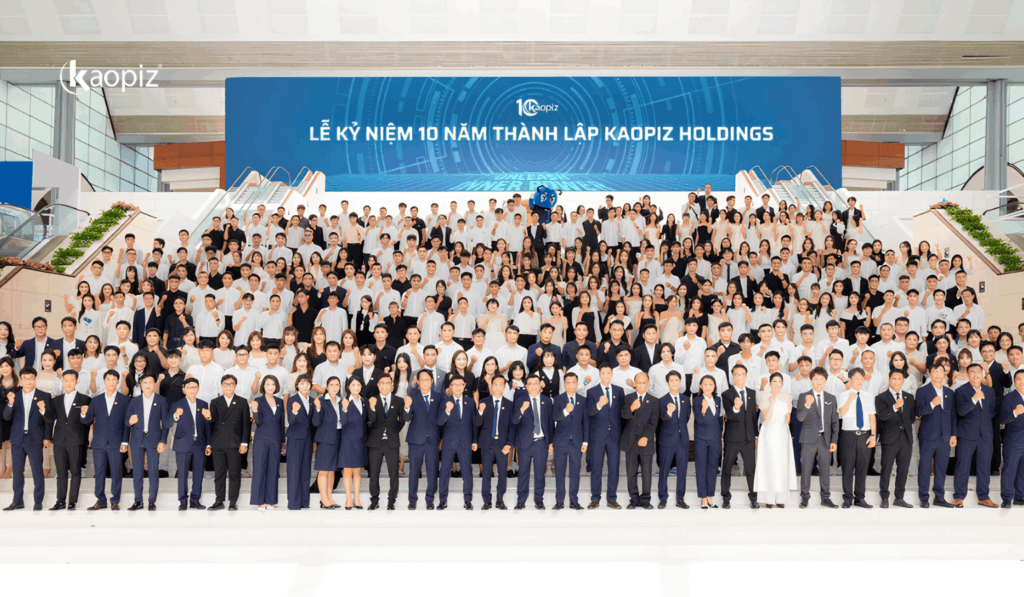
With 12+ years of software outsourcing experience, a team of nearly 1,000 engineers, and 500+ global clients across Australia, Singapore, Japan, Europe, and North America, Kaopiz has delivered 1,000+ successful projects spanning AI, cloud, enterprise software, digital transformation, and managed IT operations. Our experience across industries including fintech, healthcare, manufacturing, logistics, retail, and education enables us to recommend the engagement model that best fits each organization’s technical and business objectives.
Kaopiz helps Australian businesses by:
- Assessing which engagement model fits your business based on your internal technical leadership, delivery ownership, project complexity, and operational goal, not recommending a one-size-fits-all solution.
- Scaling engineering teams at every stage, from adding a few specialists through staff augmentation to operating fully managed engineering teams for long-term delivery.
- Supporting hybrid outsourcing strategies, allowing organizations to combine staff augmentation for product development with managed services for cloud operations, infrastructure, or application support.
- Providing experienced multidisciplinary teams across software engineering, AI, cloud, DevOps, QA, data engineering, and enterprise application development.
- Ensuring enterprise-grade governance through transparent communication, agile delivery, dedicated project management, and clearly defined KPIs that keep projects aligned with business objectives.
- Building long-term technology partnerships that evolve alongside your organization, enabling you to adapt your outsourcing model as business priorities and technology needs change.
“What stood out about Kaopiz wasn’t just the quality of the engineers, it was their ability to understand our business objectives and recommend an engagement model that matched how our team actually worked. As our priorities evolved, they helped us scale seamlessly without disrupting delivery.”
Whether you need to extend your in-house engineering team, outsource ongoing IT operations, or combine multiple outsourcing models, Kaopiz helps you adopt the engagement strategy that delivers the greatest long-term business value.
Conclusion
Choosing between the staff augmentation vs managed services model isn’t about determining which approach is better, it’s about selecting the one that best aligns with your business objectives, internal capabilities, and delivery requirements. Each model offers distinct advantages depending on how much control, flexibility, and operational responsibility your organization needs.
As Australian businesses continue investing in AI, cloud, and digital transformation, outsourcing strategies are becoming more flexible. Many organizations now combine staff augmentation for product development with managed services for IT operations, creating a balanced approach that supports both innovation and long-term operational stability.
Ultimately, the right outsourcing model helps your business scale efficiently, optimize resources, and deliver technology initiatives with confidence. By evaluating your priorities and partnering with an experienced outsourcing provider like Kaopiz, you can build a technology strategy that supports sustainable growth well beyond your next project.
FAQs
- What Is the Main Difference Between Staff Augmentation and Managed Services?
- The primary difference is ownership. With staff augmentation, external professionals work under your management as part of your internal team. With managed services, the provider takes responsibility for managing the team, processes, and agreed service outcomes.
- Which Outsourcing Model Is Better for Software Development?
- Staff augmentation is generally better for software development when you want to retain control over project management, product direction, and technical decisions while expanding your engineering capacity with external specialists.
- Are Managed Services More Cost-Effective Than Staff Augmentation?
- It depends on your objectives. Managed services typically offer predictable monthly costs for ongoing IT operations, while staff augmentation provides greater flexibility for project-based work and rapidly changing development needs.
- Can Australian Businesses Combine Staff Augmentation and Managed Services?
- Yes. Many Australian organizations adopt a hybrid outsourcing strategy, using staff augmentation for product engineering and managed services for infrastructure, cybersecurity, cloud operations, and IT support.
- How Do I Decide Between Staff Augmentation and Managed Services?
- Start by assessing your internal technical leadership, desired level of delivery control, operational requirements, and long-term business goals. The right model is the one that best supports your organization’s technology strategy rather than simply offering the lowest cost.
Author

Lucie Tran
Head of Growth of Kaopiz Global
Table of Contents
Don’t miss what’s next!
Thank you! Your form has been submitted successfully.