
What Is Software Development Life Cycle (SDLC)? A Full Guide 2026
Software projects often fail not because of poor coding, but because of unclear processes, shifting requirements, and weak execution. This is where the Software Development Life Cycle (SDLC) becomes essential. SDLC provides a structured approach that defines how software is planned, designed, built, tested, deployed, and maintained, helping teams deliver higher-quality software with better cost and timeline control.
So, what is Software Development Life Cycle? In this guide, we explain the Software Development Life Cycle meaning, break down the 7 key SDLC phases, and explore common SDLC models such as Agile, Waterfall, and DevOps. You’ll also learn how the Software Development Life Cycle works in real-world projects, with practical insights tailored to Singapore businesses building software in-house, outsourcing, or scaling through staff augmentation.
What Is the Software Development Life Cycle (SDLC)?
The Software Development Life Cycle is a step-by-step process used to build software in an organized and reliable way. It explains how software is planned, created, tested, launched, and maintained from the initial idea to long-term use.
Instead of building software in an ad-hoc manner, SDLC breaks the work into clear stages. Each stage has a specific purpose, helping teams understand what needs to be done, when it should happen, and who is responsible. This makes software projects easier to manage, more predictable, and less risky.
In simple terms, the Software Development Life Cycle meaning is about reducing uncertainty. SDLC helps businesses avoid common problems such as unclear requirements, unexpected delays, rising costs, or poor-quality results. By following a structured life cycle, teams can identify issues early and make improvements before they become expensive to fix.
So, what is a Software Development Life Cycle used for in practice? It acts as a roadmap for development teams and stakeholders, answering critical questions such as:
- What needs to be built and why?
- How will the solution be designed and implemented?
- When and how will quality be validated?
- How will the software be released, monitored, and improved over time?
Whether a company builds software internally, works with an outsourcing partner, or expands through staff augmentation, SDLC ensures that everyone is aligned and working toward the same goal.
Next, we’ll explain how the Software Development Life Cycle works by walking through the seven key phases that guide successful software projects from start to finish.
7 Key Phases of Software Development Life Cycle
To understand how the Software Development Life Cycle works, it helps to break the process into seven key phases. Each Software Development Life Cycle phase focuses on a specific goal and deliverable, ensuring software is built in a structured, predictable, and manageable way.
| SDLC Phase | Purpose | Key Activities | Main Deliverables |
|---|---|---|---|
| 1. Planning & Requirement Analysis | Define what to build and why | Gather business requirements, set goals, identify risks | Project scope, requirement documents, high-level plan |
| 2. Feasibility Study | Assess if the project is viable | Evaluate technical feasibility, cost, timeline, and compliance | Feasibility report, build vs outsource decision |
| 3. Design & Architecture | Plan how the system will work | UI/UX design, system architecture, data flow design | Design mockups, architecture diagrams |
| 4. Implementation (Coding) | Build the software | Develop features, follow coding standards, perform code reviews | Source code, functional modules |
| 5. Testing & Quality Assurance | Ensure quality and reliability | Functional testing, performance testing, bug fixing | Test reports, quality-approved software |
| 6. Deployment | Release the software to users | Configure environments, deploy releases, monitor stability | Live system, release documentation |
| 7. Operations & Maintenance | Keep the software running and improving | Monitoring, updates, bug fixes, enhancements | Updated versions, maintenance reports |
Phase 1: Planning & Requirement Analysis
This phase focuses on defining what the software should do and why it is needed. Business goals, user needs, scope, budget, and key risks are identified to create a clear direction for the project.
By gathering and prioritizing software requirements early, teams can avoid misunderstandings, scope creep, and costly changes later. The outcome of this phase is a shared understanding of the project scope, success criteria, and a high-level plan that guides all following SDLC phases.
Phase 2: Feasibility Study
The Feasibility Study phase evaluates whether a software project is realistic and worth pursuing before major development begins. Instead of focusing on features, this phase answers a simple but critical question: Can we build this solution effectively within our constraints?
During this stage, teams assess technical feasibility, cost, timeline, and compliance requirements. This includes reviewing technology options, estimating development effort and budget, identifying delivery risks, and checking regulatory or security considerations. The goal is to ensure the project is viable from both a technical and business standpoint.
This phase also supports a key strategic decision: build in-house, outsource to a development partner, or scale through staff augmentation. By understanding feasibility early, organizations can choose the most suitable delivery model, set realistic expectations, and avoid costly surprises later in the SDLC.
Phase 3: Design & Architecture (UI/UX & System Design)
The Design & Architecture phase defines how the software will look and how it will work behind the scenes. This stage turns business requirements into clear designs that guide development and ensure the solution is user-friendly, scalable, and reliable.
UI/UX design focuses on the user experience—screen layouts, user flows, and interactions—so the product is intuitive and easy to use. At the same time, system design and architecture define the technical foundation, including system structure, data flow, integrations, and security considerations. These decisions help prevent performance issues, rework, and scalability problems later on.
By aligning UI/UX and system architecture early, teams can reduce development risks, control costs, and ensure the software meets both user expectations and long-term business needs before moving into coding.
Phase 4: Implementation (Coding)
The Implementation phase is where the actual software is built. Based on the approved designs and requirements, developers write code to turn plans into working features and functions.
Teams follow coding standards, perform regular code reviews, and integrate different components to ensure the software works as intended. Progress is typically delivered in small, testable parts, making it easier to track development and identify issues early. A well-managed implementation phase helps maintain code quality and prepares the software for testing in the next stage.
Phase 5: Testing & Quality Assurance
The Testing & Quality Assurance (QA) phase ensures the software works correctly, is secure, and meets the defined requirements before it goes live. Instead of finding problems after release, this phase focuses on identifying and fixing issues early.
Teams test functionality, performance, and reliability across different scenarios to confirm the software behaves as expected. Both manual and automated testing may be used to detect bugs, verify integrations, and reduce the risk of failures in production. A strong QA process protects user experience, minimizes costly post-launch fixes, and builds confidence before deployment.
Phase 6: Deployment
The Deployment phase is when the software is released and made available to users. This includes preparing the production environment, configuring systems, and deploying the final version in a controlled and secure manner.
To reduce risk, deployments are often automated and carefully planned, with monitoring and rollback procedures in place. A smooth deployment helps ensure system stability, minimizes downtime, and allows teams to quickly respond to any issues that arise after release.
Phase 7: Operations & Maintenance
The Operations & Maintenance phase focuses on keeping the software stable, secure, and effective after it is launched. This includes monitoring system performance, fixing bugs, applying updates, and making improvements based on user feedback.
Rather than marking the end of development, this phase ensures the software continues to deliver value over time. Regular maintenance helps prevent downtime, address security risks, and adapt the system as business needs evolve.
Need a team that can run SDLC end-to-end? From planning and design to development, testing, and deployment, Kaopiz helps Singapore businesses deliver software with speed, quality, and control.
Popular SDLC Models: Which One Suits Your Singapore Business?
Different projects require different development approaches. Choosing the right SDLC model helps Singapore businesses balance speed, cost, risk, and compliance based on their project goals and team structure.
| SDLC Model | Best For | Key Characteristics | Pros | Limitations |
|---|---|---|---|---|
| Agile & Scrum | Startups, product teams, fast-changing requirements | Iterative development, frequent feedback, short sprints | Flexible, fast time-to-market, continuous improvement | Requires strong collaboration and active stakeholder involvement |
| Waterfall | Regulated projects, fixed scope and budget | Sequential phases, detailed documentation | Clear structure, predictable timeline | Inflexible to changes once development starts |
| Iterative / Incremental | MVP-driven products, phased releases | Build and improve in cycles | Early value delivery, reduced risk | Requires careful planning to avoid scope creep |
| DevOps & DevSecOps | Scalable, cloud-based, high-availability systems | Automation, CI/CD, security integration | Faster releases, improved reliability, better security | Higher initial setup effort and tooling requirements |
Agile & Scrum
Agile is one of the flexible Software Development Life Cycle models that focuses on delivering software in small, manageable iterations rather than building everything at once. Instead of following a fixed plan from start to finish, Agile allows teams to adapt quickly as business needs, user feedback, or market conditions change.
Scrum is one of the most widely used Agile frameworks. It organizes work into short development cycles called sprints, where teams plan, build, test, and review progress regularly. This approach gives stakeholders frequent visibility into the product and helps identify issues early.
Agile and Scrum work especially well for startups and growing businesses in Singapore that need fast time-to-market, evolving features, and close collaboration with development teams—whether the team is in-house, outsourced, or augmented.
Waterfall
The Waterfall model follows a linear, step-by-step approach where each SDLC phase is completed before the next one begins. Requirements, design, development, testing, and deployment are planned in advance and executed in a fixed sequence.
This model works best for projects with clearly defined requirements and minimal changes, such as regulated systems or internal business tools. While Waterfall offers predictability and clear documentation, it is less flexible when changes are needed later in the project.
Iterative / Incremental
The Iterative / Incremental model builds software in small, functional pieces rather than delivering everything at once. Each version adds new features or improvements, allowing teams to release usable software early and refine it over time.
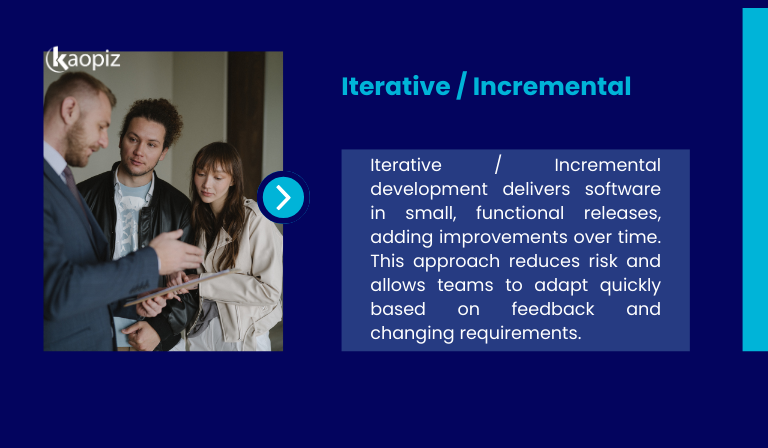
This approach is well-suited for MVP-driven projects and products where requirements may evolve. By delivering in stages, businesses can gather user feedback, reduce risk, and adjust priorities without disrupting the entire development process.
DevOps & DevSecOps (Modern SDLC)
DevOps is a modern SDLC approach that brings development and operations teams closer together to deliver software faster and more reliably. It emphasizes automation, continuous integration and deployment (CI/CD), and close collaboration to shorten release cycles and reduce deployment risks.
DevSecOps extends this model by integrating security practices into every stage of the SDLC, rather than treating security as a final step. This approach is especially valuable for cloud-based and enterprise systems where uptime, data protection, and compliance are critical. Together, DevOps and DevSecOps help organizations scale software efficiently while maintaining performance, stability, and security.
How to Choose the Right SDLC Approach for Your Project (Singapore Checklist)
Choosing the right SDLC approach is not about following trends—it’s about matching the development model to your project scope, risk level, compliance needs, and team structure. The Software Development Life Cycle best practices below help Singapore businesses make informed decisions before committing time and budget.
Choose Based on Scope Clarity, Risk, and Compliance
Start by evaluating how well-defined your project requirements are and how much change you expect during development. Projects with clear, stable scope and strict compliance requirements may benefit from a more structured approach, while projects with evolving requirements or fast go-to-market goals often require flexible models like Agile or Iterative.

Risk tolerance also matters. If system reliability, data security, or regulatory compliance are critical, your SDLC approach should include strong planning, documentation, and quality controls from the start.
Team Setup: In-House vs Outsourcing vs Staff Augmentation
Your SDLC approach should align with how your team is structured.
- In-house teams offer direct control but may face hiring and scaling challenges in Singapore’s competitive talent market.
- Software outsourcing allows businesses to delegate end-to-end delivery to an experienced partner while maintaining oversight.
- Staff augmentation provides flexibility by adding skilled engineers to your existing team without long-term hiring commitments.
Understanding these options early helps you select an SDLC model that supports efficient collaboration and delivery.
Success Metrics to Define Early
Before development begins, define how success will be measured. Common SDLC success metrics include delivery timeline, budget adherence, software quality, system performance, and post-launch stability. Clear metrics ensure all stakeholders stay aligned and help teams make better decisions throughout the development process.
Common SDLC Mistakes (and How to Avoid Them)
Many software projects fail not because of technology, but due to poor execution of the SDLC. Understanding common mistakes early helps teams reduce risk, control costs, and deliver more reliable software.
| Common Mistake | Why It Happens | Impact on the Project | How to Avoid It |
|---|---|---|---|
| Unclear or incomplete requirements | Limited stakeholder input or rushed planning | Scope creep, delays, rework | Conduct proper requirement analysis and validation |
| Skipping or delaying testing | Focus on speed over quality | Bugs in production, poor user experience | Integrate testing early and throughout development |
| Weak communication between teams | Lack of ownership or unclear roles | Misalignment and slow decision-making | Define responsibilities and maintain regular communication |
| Poor change management | No process for handling new requests | Budget overruns and timeline slippage | Use structured change control and prioritization |
| Ignoring security early | Security treated as a final step | Compliance risks and vulnerabilities | Embed security checks into every SDLC phase |
| Inadequate post-launch support | No maintenance plan | System downtime and user dissatisfaction | Plan for ongoing operations and maintenance |
Modern Trends in SDLC: AI-Powered Development in 2026
As software projects become more complex and delivery timelines continue to shorten, the Software Development Life Cycle is evolving with the adoption of AI-powered tools and automation. In 2026, AI is no longer experimental—it is increasingly embedded across multiple SDLC phases to improve speed, quality, and decision-making.
During planning and requirement analysis, AI tools help analyze user behavior, past project data, and documentation to clarify requirements and reduce ambiguity early. In the design and development phases, AI-assisted coding tools support developers by generating code suggestions, detecting errors, and improving consistency—allowing teams to focus more on logic and problem-solving rather than repetitive tasks.
AI also plays a growing role in testing and quality assurance, where automated test generation, defect prediction, and regression testing help identify issues earlier and reduce manual effort. In later stages, AI-driven monitoring and analytics support operations and maintenance by detecting anomalies, predicting system failures, and optimizing performance in real time.
For businesses, especially in competitive markets like Singapore, AI-powered SDLC practices help shorten development cycles, control costs, and improve reliability. While AI does not replace structured SDLC processes, it strengthens them—making modern software delivery more efficient, data-driven, and scalable when combined with the right development approach and experienced teams.
How Kaopiz Helps Singapore Companies Run SDLC Smoothly
Delivering software at scale requires disciplined execution across the entire Software Development Life Cycle—from requirements governance to secure operations. With 11+ years of experience and a leading software company in Singapore, Kaopiz supports enterprises with a process-driven, metrics-oriented delivery model designed to ensure predictability, quality, and compliance.

Why Enterprises Choose Kaopiz:
- End-to-End SDLC Execution: Coverage across all SDLC phases—from requirements and architecture to development, QA, deployment, and maintenance—managed by dedicated PMs, Tech Leads, and QA Leads.
- Flexible Engagement Models: Support for project-based delivery, dedicated teams, and staff augmentation, enabling fast scaling without long-term hiring commitments.
- Built-In Quality & Security Controls: Testing, automation, and secure development practices embedded throughout the SDLC to reduce defects and operational risk.
- Enterprise-Ready Collaboration: Overlapping working hours with Singapore, clear documentation, and regular reporting to ensure transparency and control.
Ready to streamline your SDLC with an experienced delivery partner?
Conclusion
The Software Development Life Cycle provides a clear structure for planning, building, and maintaining software in a predictable and controlled way. By understanding the key phases, selecting the right SDLC model, and avoiding common execution mistakes, organizations can reduce risk, control costs, and deliver higher-quality software.
For Singapore businesses operating in fast-moving and competitive markets, understanding what is Software Development Life Cycle is important. It is a practical tool for aligning business goals, teams, and delivery strategies. When executed with the right processes and experienced partners, SDLC enables scalable, secure, and reliable software development that supports long-term growth.
FAQs
- What Are the Main Phases of SDLC?
- The Software Development Life Cycle typically includes seven main phases: planning & requirement analysis, feasibility study, design & architecture, implementation (coding), testing & quality assurance, deployment, and operations & maintenance. Each phase has a specific goal and set of deliverables that guide the project from idea to long-term operation.
- Is SDLC the Same as Agile?
- No. SDLC is the overall framework that describes the stages of software development, while Agile is one type of SDLC model. Agile defines how teams move through the SDLC phases—using short iterations, frequent feedback, and flexible planning—rather than following a rigid, linear process.
- Which SDLC Model Is Best for Startups in Singapore?
- For most startups in Singapore, Agile or Iterative/Incremental models work best. These approaches support faster time-to-market, flexibility as requirements evolve, and early user feedback—critical factors for startups with limited resources and changing priorities.
- How Long Does Each SDLC Phase Take?
- The duration of each SDLC phase depends on project scope, complexity, and team setup. Small projects may complete phases in weeks, while enterprise systems can take months. In Agile-based projects, phases often overlap and repeat in short cycles rather than following fixed timelines.
- Can I Outsource Parts of SDLC (QA/DevOps) to an Offshore Team?
- Yes. Many companies outsource specific SDLC phases such as quality assurance, testing, or DevOps to offshore teams. This approach helps reduce costs, access specialized expertise, and scale faster—while core planning and decision-making remain under business control.
Author

Table of Contents
Don’t miss what’s next!
Thank you! Your form has been submitted successfully.
Related Posts
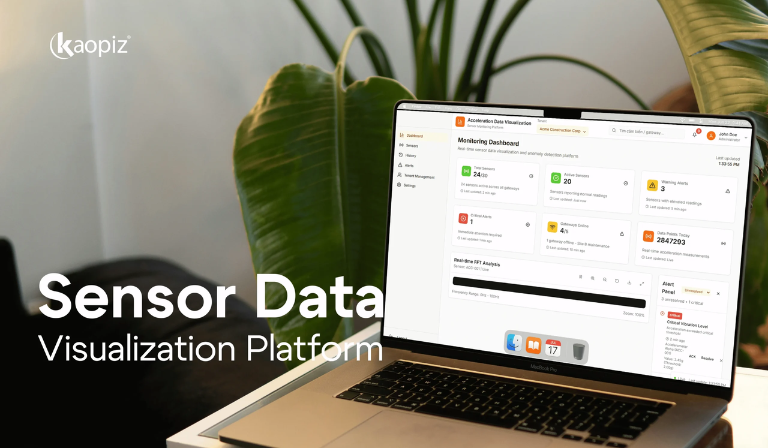
Sensor Data Visualization Platform Case Study: How Kaopiz Built a Real-Time Monitoring Solution for Predictive Maintenance
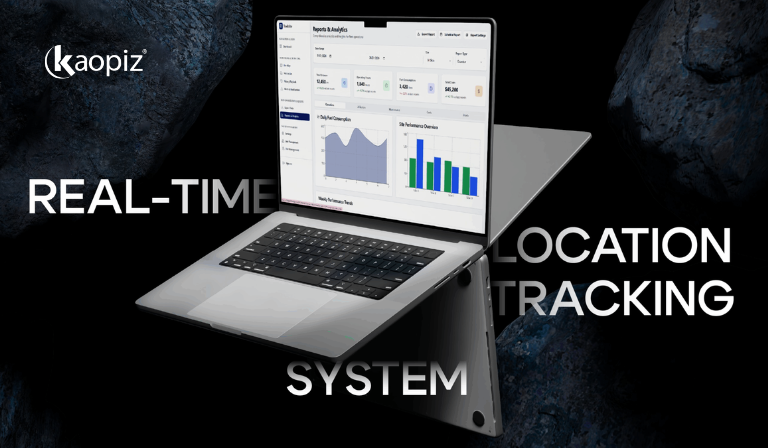
Real-Time Location Tracking System Case Study: How Kaopiz Helped a Construction Company Improve Fleet Visibility and Operational Efficiency