
SaaS vs Custom Software: Which Is Right for Singapore Businesses in 2026?
In Singapore’s rapidly evolving digital economy, choosing between SaaS vs Custom Software is no longer just a technical decision but a strategic one that directly impacts long-term business performance. In a market defined by strong digital adoption and strict regulatory frameworks, software choices must align with scalability, compliance requirements, and the ability to sustain competitive advantage over time.
The decision goes beyond comparing features or upfront costs. It requires a clear understanding of how each option supports business growth, operational efficiency, and long-term flexibility. A misaligned choice can lead to rising costs, limited adaptability, and constraints that only become visible when the business begins to scale or diversify its operations.
Understanding the full picture of SaaS vs Custom Software is essential to making a decision that is not only cost-effective in the short term but also sustainable in the long run. This article explores both approaches in depth, focusing on the factors that truly influence performance, scalability, and strategic growth in Singapore’s business landscape.
Key Takeaways
- SaaS vs Custom Software is a strategic decision, not just a technical one, directly impacting long-term growth and scalability.
- SaaS excels in speed and cost efficiency upfront, making it ideal for standardized processes and fast deployment.
- Custom software offers full control and flexibility, enabling businesses to build competitive advantage and scale sustainably.
- Total cost of ownership matters more than initial cost, as SaaS subscriptions can exceed custom ROI over time.
- Customization and integration are key differentiators, especially for complex or unique business models.
- A hybrid approach is increasingly popular, combining SaaS for efficiency and custom software for differentiation.
What Is SaaS? Why “Plug-and-Play” Software Dominates Fast-Growing Businesses
SaaS (Software as a Service) is a cloud-based software delivery model where applications are hosted by a provider and accessed online through a subscription, eliminating the need for local installation or maintenance. It is designed to minimize setup time and technical complexity, allowing businesses to start using software almost immediately without heavy infrastructure investment. This makes SaaS especially attractive in fast-moving environments where speed and efficiency are critical.

SaaS solutions are widely adopted across Singapore due to their flexibility and ability to support rapid business growth. However, while they offer convenience and cost advantages upfront, they are not always built to handle highly specific or evolving business needs in the long term.
Key Characteristics of SaaS (Cloud, Subscription, Multi-tenant)
- SaaS operates on a cloud-based model, where software is hosted externally and accessed via the internet.
- Businesses do not purchase software outright but pay a recurring subscription fee, which usually includes maintenance, updates, and support.
- This model reduces the burden on internal IT teams and simplifies overall system management.
- SaaS uses a multi-tenant architecture, allowing multiple users to share the same infrastructure while keeping data separate.
- This enables providers to scale efficiently and reduce costs, but also limits customization for specific business needs.
Pros and Cons of SaaS for Singapore SMEs
SaaS offers clear advantages such as fast deployment, lower upfront costs, and minimal maintenance. These benefits make it ideal for businesses that need to launch quickly or operate with standardized processes. It also allows easy scaling as user demand increases, without requiring major system upgrades.
However, SaaS comes with trade-offs. Customization is often limited, making it difficult to adapt the software to unique workflows. Over time, subscription fees can accumulate into significant costs. There is also a level of dependency on the vendor, especially in areas like data control, system updates, and security management.
Case Study: Netflix
A well-known example of successful SaaS adoption is Netflix, which transitioned from a DVD rental business to a global streaming platform by leveraging cloud-based SaaS infrastructure from Amazon Web Services. Instead of building its entire infrastructure from scratch, Netflix used scalable SaaS and cloud services to handle massive traffic, deliver content globally, and continuously improve user experience.
This approach allowed Netflix to focus on its core business such as content and personalization while relying on SaaS for infrastructure scalability and reliability. As a result, the company was able to expand rapidly across international markets without being constrained by physical infrastructure limitations.
What Is Custom Software? Why Enterprises Invest in Full Control and Scalability
Custom software is a tailored application built specifically to meet a company’s unique workflows, requirements, and long-term business goals. This approach allows organizations to create software that reflects their unique workflows, data structures, and long-term strategic goals, making it a critical driver of differentiation in competitive markets.
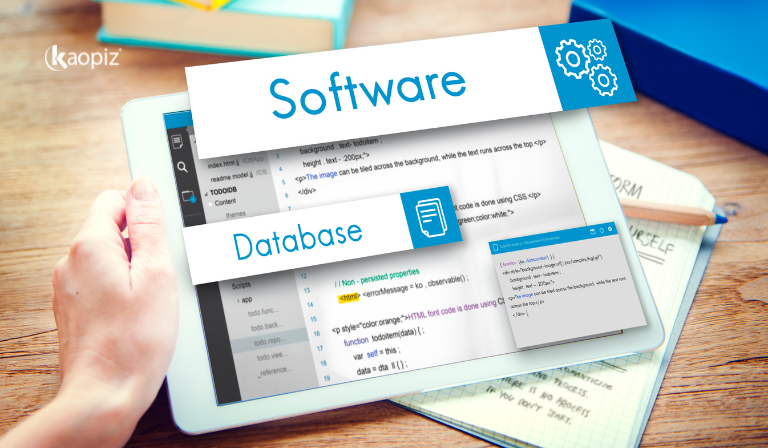
Custom software is often viewed not just as a tool, but as a long-term digital asset that evolves alongside the business. While it requires greater initial investment and planning, it offers unmatched flexibility, deeper system integration, and full control over both functionality and data, which are essential for scaling complex operations in Singapore’s fast-paced business environment.
Key Characteristics of Custom-Built Software
One of the defining features of custom software development is its ability to be fully tailored to business-specific needs. Unlike SaaS platforms, which offer standardized features, custom solutions are built from the ground up to support unique workflows, enabling higher operational efficiency and better alignment with internal processes.
Another critical aspect is full ownership of the source code and system architecture. This gives businesses complete control over future updates, integrations, and security protocols. In addition, custom software is typically designed with a scalable architecture, allowing it to grow seamlessly as the business expands, without being constrained by third-party limitations.
Pros and Cons of Custom Software for Competitive Advantage
The primary advantage of custom-built software lies in its ability to create a strong competitive edge. With full customization, businesses can optimize every feature to support their strategy, improve user experience, and differentiate from competitors. It also enables deep system integration, connecting seamlessly with existing tools, databases, and third-party services.
However, these benefits come with trade-offs. Custom software requires a higher upfront investment, longer development timelines, and ongoing maintenance. There is also execution risk if the development process is not properly managed. Despite this, for organizations with complex needs or long-term growth plans, the return on investment can significantly outweigh the initial costs.
Case Study: Grab
A notable example of successful custom software implementation is Grab. As the company expanded across Southeast Asia, relying on off-the-shelf or SaaS solutions was no longer sufficient to support its complex ecosystem, which includes ride-hailing, food delivery, and digital payments.
By investing in custom-built systems, Grab was able to develop highly tailored features such as dynamic pricing algorithms, real-time logistics optimization, and seamless integration across multiple services. This level of customization allowed the company to scale efficiently while maintaining a consistent user experience across different markets.
SaaS vs Custom Software: A Deep Comparison Across 5 Critical Factors
To truly understand SaaS vs Custom Software, it is essential to go beyond surface-level differences and evaluate how each option performs across the factors that directly impact long-term business success. While SaaS is often associated with speed and convenience, and custom software with control and flexibility, the reality is more nuanced when examined through cost, scalability, customization, integration, and security.
Each of these factors plays a critical role in determining whether a solution can support not only current operations but also future growth. The following comparison highlights where each approach excels and where limitations may arise, particularly within the context of Singapore’s highly regulated and competitive market.
| Critical Factor | SaaS | Custom Software |
|---|---|---|
| Cost | Lower upfront investment with subscription-based pricing. Costs can increase over time due to recurring fees, additional users, integrations, and premium features. | Higher initial development cost, but more predictable long-term expenses and stronger ROI for growing businesses. |
| Scalability | Easily scalable for user growth and standard operational expansion without infrastructure management. | Scalable architecture tailored to complex business growth, new markets, and evolving operational demands. |
| Customization & Flexibility | Limited customization options based on predefined features and vendor restrictions. | Fully customizable to support unique workflows, specialized requirements, and competitive differentiation. |
| Integration | Supports API-based integrations but may face compatibility limitations with complex systems. | Enables deep integration with legacy systems, internal platforms, and external tools for a unified ecosystem. |
| Security & Compliance | Vendor-managed security and compliance, with less direct control over enterprise data. | Full control over security architecture, access management, and compliance with regulations like Singapore’s PDPA. |
Cost Comparison: Subscription vs Long-Term ROI
One of the most debated aspects of SaaS vs Custom Software cost is the difference between upfront investment and long-term return.
SaaS typically requires minimal initial spending, making it attractive for quick deployment. Businesses pay a recurring subscription fee, which often includes maintenance, updates, and support. However, over time, these recurring costs can accumulate significantly, especially as the number of users, features, or integrations increases.
In contrast, custom software development cost is higher at the beginning, but once deployed, ongoing expenses are more predictable and can be optimized. For organizations with long-term growth plans, custom software often delivers better ROI by eliminating recurring licensing fees and reducing dependency on third-party vendors.
Scalability: Which Solution Grows With Your Business?
Scalability is a key factor in choosing between SaaS vs Custom Software for growing businesses. SaaS platforms are inherently scalable in terms of user capacity, allowing companies to quickly add users or expand usage without infrastructure concerns. This makes them suitable for businesses experiencing rapid but predictable growth.
Custom software, on the other hand, offers scalable architecture tailored to business needs. Instead of scaling within predefined limits, it can be designed to handle complex growth scenarios, such as expanding into new markets, supporting new business models, or processing large volumes of data. This level of scalability is particularly valuable for enterprises that require flexibility beyond standard SaaS capabilities.
Customization & Flexibility: Can SaaS Keep Up With Your Needs?
When comparing SaaS vs Custom Software customization, the difference becomes especially clear as business processes evolve. SaaS solutions are built to serve a wide range of users, which means customization options are often limited to predefined settings or add-ons. Custom software provides full flexibility to design features around specific workflows, enabling businesses to optimize operations and create unique user experiences.
This is especially important in industries where differentiation is a key competitive advantage. While SaaS may be sufficient for standardized processes, it often struggles to keep up with highly specialized or rapidly changing requirements.
Integration: SaaS Limitations vs Custom Ecosystem Power
Modern businesses rely on interconnected systems, making software integration capabilities a critical consideration. SaaS platforms typically offer API-based integrations, allowing them to connect with popular third-party tools. However, these integrations can be limited in scope and may not fully align with complex internal systems.
Custom software enables seamless integration across the entire technology ecosystem, including legacy systems, proprietary tools, and external platforms. This ensures data consistency, improves operational efficiency, and reduces the need for manual workarounds. For organizations with diverse or evolving tech stacks, custom software provides a significant advantage in building a unified system architecture.
Security & Compliance in Singapore (PDPA, Enterprise Data)
Security and compliance are particularly important when evaluating SaaS vs Custom Software in Singapore, where regulations such as the Personal Data Protection Act (PDPA) impose strict requirements on data handling and privacy. SaaS providers typically implement strong security measures, but businesses must rely on the vendor’s protocols and data management policies.
Custom software offers greater control over data security, access management, and compliance processes. This is especially critical for industries dealing with sensitive information, such as finance, healthcare, or government-related sectors. By owning the system, organizations can design security frameworks that align precisely with regulatory requirements and internal risk management strategies.
SaaS vs Custom Software: Which One Is Right for Your Business Model?
After understanding the core differences in SaaS vs Custom Software, the next step is aligning each option with your business model and growth strategy. The right choice depends not only on current needs but also on how your operations, customer expectations, and competitive positioning are expected to evolve over time.

Different business models require different levels of flexibility, control, and speed. While some benefit from standardized solutions, others require tailored systems to maintain efficiency and differentiation. The following breakdown helps clarify where each approach fits best.
SaaS Is Best For:
- Businesses that prioritize speed and simplicity in deployment.
- Organizations with standardized workflows and operational processes.
- Functions such as CRM, HR management, and basic e-commerce systems.
- Companies that require fast time-to-market without lengthy development cycles.
- Businesses looking to reduce upfront investment and IT overhead.
- Startups or teams testing new ideas before scaling further.
- Companies with predictable growth and minimal customization needs.
Custom Software Is Best For:
- Businesses with complex or highly differentiated operations.
- Organizations relying on unique workflows or proprietary processes.
- Companies requiring deep customization and flexibility.
- Businesses with long-term growth and scalability plans.
- Enterprises needing advanced integration with internal or legacy systems.
- Organizations that require greater control over data and security.
- Companies aiming to build sustainable competitive advantage through technology.
Hybrid Approach: The Future Beyond SaaS vs Custom Software?
Increasingly, businesses are moving beyond the traditional SaaS vs Custom Software debate by adopting a hybrid approach. Instead of choosing one over the other, they combine SaaS platforms for standardized functions with custom-built systems for core, differentiating capabilities.
This approach allows organizations to balance speed and control, using SaaS where efficiency is needed and custom software where flexibility and uniqueness are critical. As technology ecosystems become more interconnected, this hybrid model is emerging as a practical and scalable strategy for long-term growth.
The “Build vs Buy” Framework: How Enterprises Actually Make This Decision
Choosing between SaaS and custom software ultimately comes down to a structured evaluation of business priorities. Rather than relying on assumptions, effective decisions are based on clear criteria that weigh speed, cost, flexibility, and strategic value.

A structured build vs buy framework helps ensure that the chosen solution aligns with both short-term objectives and long-term vision, reducing the risk of costly transitions in the future.
Decision Matrix
To evaluate SaaS vs Custom Software effectively, a step-by-step decision matrix can be applied:
- Step 1 — Define Business Priorities: Identify whether speed, cost efficiency, scalability, or competitive differentiation is the top priority.
- Step 2 — Assess Process Complexity: Determine if your workflows are standardized or require high levels of customization.
- Step 3 — Evaluate Budget Structure: Decide whether your organization prefers lower upfront costs or is prepared for long-term investment with higher ROI.
- Step 4 — Analyze Growth Expectations: Consider how quickly the business will scale and whether the system must adapt to new markets or models.
- Step 5 — Measure Control Requirements: Assess how important ownership of data, system architecture, and product roadmap is to your strategy.
- Step 6 — Compare Final Fit: Map SaaS and custom software against these criteria to identify which option delivers the best alignment overall.
Key Considerations Before Choosing SaaS or Custom Software
When making a final decision on SaaS vs Custom Software, the following considerations play a critical role in ensuring long-term alignment with your business strategy:
- Level of customization required: If your workflows are unique or constantly evolving, SaaS may not fully support them. Custom software allows you to design features that match your exact operational needs.
- Total cost of ownership: SaaS appears cost-effective initially, but subscription fees can grow over time. Custom software requires higher upfront investment but may offer better long-term ROI.
- Scalability needs: SaaS can scale in terms of users, but may struggle with complex growth. Custom solutions can be built to support expansion into new markets or business models.
- Integration requirements: SaaS integrations are often limited to available APIs. Custom software enables deeper integration with internal systems and third-party platforms.
- Data security and compliance: SaaS relies on vendor-controlled security, which may not fully align with strict regulations. Custom software provides more control over data and compliance requirements in Singapore.
- Vendor dependency vs control: SaaS creates reliance on external providers for updates and changes. Custom software gives full ownership over the system and roadmap.
- Time-to-market pressure: SaaS is ideal when fast deployment is critical. Custom software takes longer but delivers more tailored outcomes.
- Strategic importance of software: If software plays a key role in differentiation, custom development offers more flexibility. If it supports standard operations, SaaS is often sufficient.
Hidden Costs No One Talks About in SaaS vs Custom Software
When comparing SaaS vs Custom Software, most cost discussions stop at subscription fees or initial development budgets. In reality, the biggest financial impact often comes from hidden costs that accumulate over time and directly affect scalability, efficiency, and long-term ROI. A clearer view of these hidden costs helps avoid decisions that seem cost-effective in the short term but become expensive as the business grows.
| Cost Factor | SaaS Hidden Costs | Custom Software Hidden Costs |
|---|---|---|
| Scaling Costs | Subscription fees increase significantly as users, data, or features grow. | Infrastructure and optimization costs increase as system scales. |
| Add-ons & Features | Advanced features often require paid upgrades or third-party tools. | Additional features require development time and budget. |
| Integration | Limited APIs may require paid connectors or manual workarounds. | Complex integrations may increase development scope. |
| Vendor Dependency | High switching cost due to data lock-in and platform reliance. | Dependence on internal or outsourced development team. |
| Maintenance | Included in subscription but limited control over updates. | Ongoing maintenance, updates, and potential tech debt. |
| Customization Limits | Workarounds may increase inefficiency and operational cost. | Customization increases complexity if not well managed. |
Looking at SaaS vs Custom Software through this lens highlights an important insight: SaaS tends to distribute costs over time in less visible ways, while custom software concentrates investment upfront but offers more control over future expenses. The right choice depends on how well these cost structures align with your growth strategy and operational priorities.
Understanding these trade-offs is only the first step. The next question is how to design and implement a solution that maximizes value while minimizing long-term risk, which is where choosing the right development partner becomes critical.
Why Choose Kaopiz for Custom Software Development in Singapore?
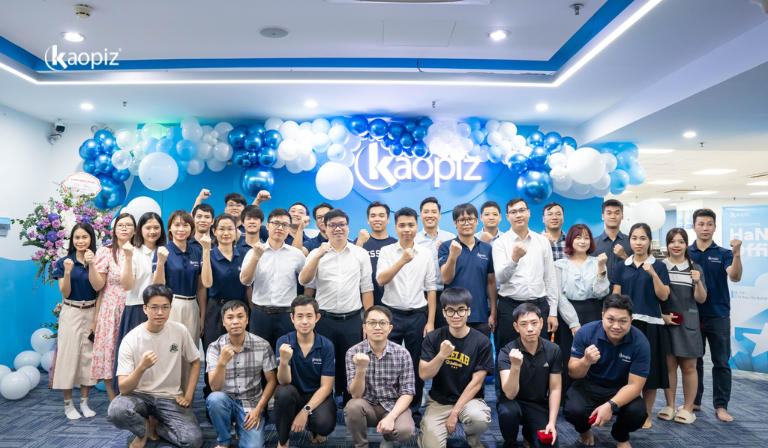
With 12+ years of experience, Kaopiz is a leading custom software development company in Singapore, combining deep technical expertise with a strong understanding of business needs. We help businesses move beyond the limitations of SaaS vs Custom Software and build solutions that truly scale. By leveraging offshore development strength, Kaopiz enables organizations to optimize costs while maintaining high engineering standards and long-term system performance.
What Sets Us Apart:
- Cost Efficiency Without Compromising Quality: Kaopiz’s offshore delivery model in Vietnam allows businesses to reduce custom software development costs by 40 to 60%, while still ensuring high-quality output, scalable architecture, and reliable performance.
- 1,000+ Engineers with Diverse Expertise: With a team of over 1,000 engineers, Kaopiz supports a wide range of industries including fintech, healthcare, logistics, and education. This breadth of expertise ensures that each project is matched with the right technical and domain knowledge.
- Singapore-Focused Delivery Approach: Kaopiz understands the expectations of Singapore businesses, from clear communication to structured project management. Teams operate with strong English proficiency, transparent workflows, and consistent reporting to ensure alignment at every stage.
- Proven Quality and Security Standards: Kaopiz is certified with ISO 27001 and ISO 9001, demonstrating a commitment to security, quality, and reliable development processes. This is especially important for businesses handling sensitive data or operating under strict compliance requirements.
- Flexible Engagement Models: From fixed-price projects to dedicated development teams, Kaopiz offers flexible engagement models tailored to different project scopes and business goals. This flexibility allows companies to scale resources efficiently as their needs evolve.
A client from MINISTOP shared their experience working with Kaopiz as follows:
“Our company has a variety of development projects that require accuracy and speed, and we have taken notice of offshore development as a way to achieve these goals. Utilizing offshore vendors can provide cost and speed benefits compared to working with vendors in Japan. If the offshore vendor has excellent communication skills, these benefits can be fully realized. As part of our search for a suitable offshore vendor, we considered multiple companies and ultimately chose Kaopiz based on their strong reputation as an excellent company. Since engaging them, they have implemented agile development to respond to demands such as testing during core systems replacement. We appreciate their contributions so far and look forward to continuing to work together for the benefit of our company.”
This feedback highlights how the right partner can bridge the gap in SaaS vs Custom Software, delivering both efficiency and long-term scalability. If you are exploring the best approach for your business, Kaopiz can help you design a solution that aligns with your growth strategy and operational needs.
Our Case Studies
AI-Powered Shopping Prediction Web App
Background
A retail and e-commerce company aimed to enhance its decision-making by leveraging data-driven insights. The goal was to better understand consumer behavior and predict shopping trends in order to improve demand forecasting and deliver more personalized customer experiences.
Problem
The business faced several challenges in managing and utilizing its data effectively. Consumer shopping data was unstructured, making it difficult to extract meaningful insights. Trend analysis was handled manually, leading to inefficiencies and slow decision-making. Additionally, there was a lack of clear data visualization, making it harder for stakeholders to interpret and act on emerging trends.
Solution
A custom AI-powered web application was developed to address these challenges. The system was designed to analyze user-entered input and predict shopping trends in real time. A robust data processing engine was implemented to transform raw consumer data into actionable insights. The solution also included intuitive data visualization features, allowing users to easily interpret trends through graphical dashboards. The platform was built with scalable technologies and deployed on cloud infrastructure to ensure performance and reliability.
Result
The solution enabled the company to transition from manual analysis to automated, real-time insights. Decision-making became faster and more accurate, with clear visibility into consumer behavior trends. The business improved its demand forecasting capabilities and delivered more personalized shopping experiences, ultimately enhancing operational efficiency and customer satisfaction.
Sale Management System for Convenience Stores
Background
A multi-store convenience retail chain needed a more advanced system to manage sales operations across multiple locations. The objective was to streamline order processing, improve inventory control, and leverage customer insights to support better business decisions.
Problem
The existing system relied heavily on manual processes, leading to delays and inefficiencies in order management. There was no real-time visibility into sales data, which affected inventory planning and forecasting accuracy. In addition, the lack of a centralized product classification system made analysis difficult, while limited customer behavior insights resulted in missed revenue opportunities.
Solution
A custom-built sales management system was developed to centralize and automate operations. The platform enabled real-time sales tracking across all store locations and introduced a structured product classification system for better analysis. It also incorporated customer usage tracking to generate actionable insights and support personalized engagement. The system was designed with role-based access and integrated tools for order management, inquiry handling, and performance monitoring.
Result
The new system significantly improved operational efficiency by automating sales tracking and reducing manual workload. Inventory management became more accurate with real-time data, while product classification enabled deeper performance analysis. The business also achieved better customer retention through data-driven insights, leading to stronger overall store operations and improved decision-making across the organization.
Conclusion
Choosing between SaaS vs Custom Software ultimately comes down to a strategic trade-off between speed and control. SaaS offers a fast, cost-efficient way to get started, making it ideal for standardized processes and rapid deployment. In contrast, custom software provides the flexibility, scalability, and ownership needed to support complex operations and long-term growth.
There is no one-size-fits-all answer. The right solution depends on how critical software is to your business model, how unique your workflows are, and how much control you need over your systems and data. In many cases, businesses start with SaaS and gradually transition to custom solutions as they scale and require greater differentiation.
Rather than viewing SaaS vs Custom Software as a binary choice, it is more effective to approach it as a spectrum of possibilities. By aligning your decision with long-term goals, cost structure, and growth strategy, you can build a technology foundation that not only supports your current operations but also drives sustainable competitive advantage in the future.
FAQs
- What Is the Main Difference Between SaaS and Custom Software?
- The key difference in SaaS vs Custom Software is that SaaS is a ready-made, subscription-based solution, while custom software is built specifically for your business needs. SaaS focuses on speed and convenience, whereas custom software offers full control and flexibility.
- How Do I Decide Between SaaS and Custom Software?
- The decision depends on factors like budget, time-to-market, scalability needs, and how unique your business processes are. If speed and standardization are priorities, SaaS is suitable. If differentiation and long-term growth matter more, custom software is often the better option.
- What Are the Disadvantages of SaaS Platforms?
- SaaS platforms often have limited customization, increasing subscription costs over time, and dependency on the vendor for updates and security. These limitations can become more significant as businesses scale.
- How Long Does It Take to Build Custom Software?
- The development timeline for custom software varies depending on complexity, but it typically ranges from a few months to over a year. Proper planning and an experienced development partner can significantly reduce risks and delays.
- Can I Switch From SaaS to Custom Software Later?
- Yes, many businesses start with SaaS and transition to custom software as they grow. However, migration can be complex due to data transfer, system integration, and operational changes, so it should be planned carefully.
Author

Lucie Tran
Head of Growth of Kaopiz Global
Table of Contents
Don’t miss what’s next!
Thank you! Your form has been submitted successfully.